Notice how Holy Thursday tends to arrive quietly , a night of feet-washing, shared bread and surprising art , and why it matters to Christians, artists and LGBTQ+ communities today. This guide unpacks the history, ritual, visual culture and contemporary queer responses, so you can appreciate what makes this evening both solemn and strangely alive.
Essential Takeaways
- Origins: Holy Thursday (Maundy Thursday) marks Jesus’s Last Supper and the institution of the Eucharist, rooted in first-century Jewish Passover traditions and later Christian liturgies.
- Rituals: Key elements include the washing of feet, the Eucharist, and the stripping of the altars , actions that mix intimacy with foreboding.
- Artistic echoes: Painters and photographers have long used the Last Supper and feet-washing motifs to explore hospitality, betrayal and vulnerability; some contemporary queer artists reframe these scenes to ask who belongs at the table.
- Queer inclusion: Many LGBTQ+ Catholics and churches now emphasise welcome during Holy Week services, seeing the evening as a place of pastoral care and ritual belonging.
- Practical tip: If you’re attending a liturgy for the first time, expect a quieter, tactile service; bring comfortable shoes and a readiness for reflective silence.
What is Holy Thursday and where did it come from?
Holy Thursday, often called Maundy Thursday in English-speaking churches, commemorates the Last Supper and the institution of the Eucharist. The story sits at the intersection of Jewish Passover meal traditions and the earliest Christian communities’ remembrance practices. Historians trace the rites back through centuries of liturgical development, and the night’s blend of food, prayer and symbolic action has made it central to Holy Week observance. For many worshippers it’s an intimate, almost domestic service , a shared meal that shifts into prayerful farewell.
The rituals that make the night feel so immediate
Two actions define the evening for most congregations: the washing of feet and the Eucharist. The washing of feet is intentionally tactile , a servant-leader gesture that invites humility and care. The Eucharist, or Communion, is the theological heart, recalling “this is my body” and the communal sharing of bread and wine. Many churches conclude with the stripping of altar cloths, leaving the sanctuary bare and lending a visual sense of abandonment that anticipates Good Friday. If you’ve never been, expect a service that places touch and silence centre stage.
Why artists keep returning to the Last Supper
From Renaissance canvases to contemporary photography, artists revisit the Last Supper because it’s a dramatic story: friendship and betrayal, ordinary meal and cosmic meaning. The image of a long table is visually compelling; it can be lush and comforting or cold and crowded, depending on the artist’s mood. Recent work by queer artists and photographers often recasts these scenes to challenge who is visible in sacred narratives, transforming a canonical moment into a conversation about inclusion, shame and welcome. These reinterpretations can be startling, sometimes provocative, but they also open up fresh ways to read an ancient story.
Queer perspectives: belonging, liturgy and pastoral care
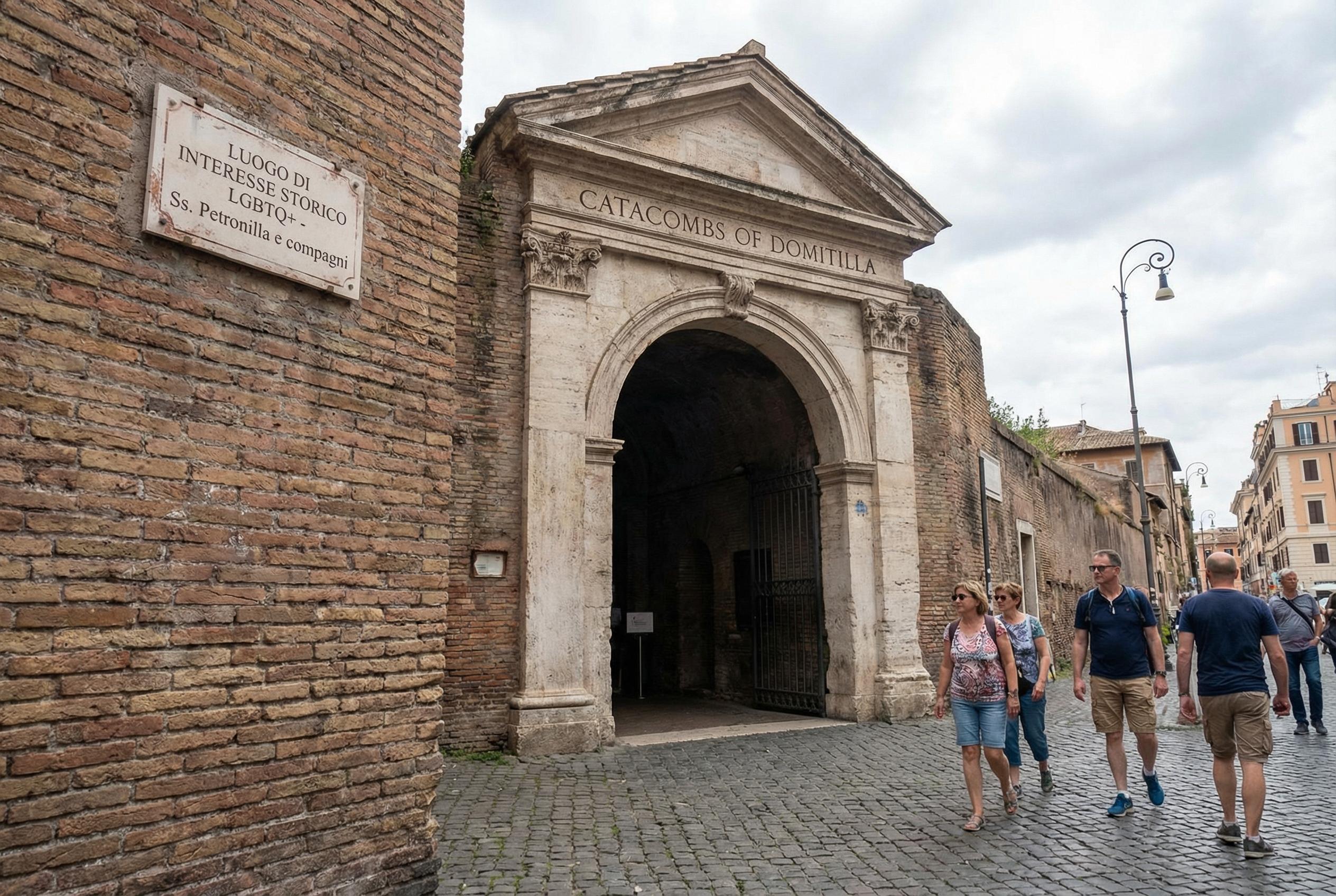
In recent years many LGBTQ+ Catholics and faith communities have been vocal about finding , and making , space at Holy Week liturgies. Outreach ministries and progressive parishes emphasise welcome during Maundy Thursday as a chance to practice hospitality in a ritual setting. For some queer worshippers, the evening’s focus on service and vulnerability resonates deeply; for others, reimagined visual art helps them see themselves reflected in sacred stories. This is not without tension: debates about doctrine and welcome continue, but the pastoral trend is towards liturgies that say “you are welcome” in small, concrete ways.
How to experience Holy Thursday thoughtfully
If you’re curious, attend a local Maundy Thursday service or view artistic responses online before the day. Arrive early, stay for the whole liturgy and notice the textures , the clink of plates, the sound of water, the hush when the altar is stripped. If you’re bringing friends from different faith backgrounds, explain what will happen; many communities welcome observers. If you’re an artist, try photographing or sketching the gestures rather than the faces, and consider how traditional motifs like the table or washing can speak to contemporary questions of care and inclusion.
It's a small change in perspective that can make Holy Thursday feel newly relevant, whether you come for worship, art or a sense of belonging.
Source Reference Map
Story idea inspired by: [1]
Sources by paragraph: