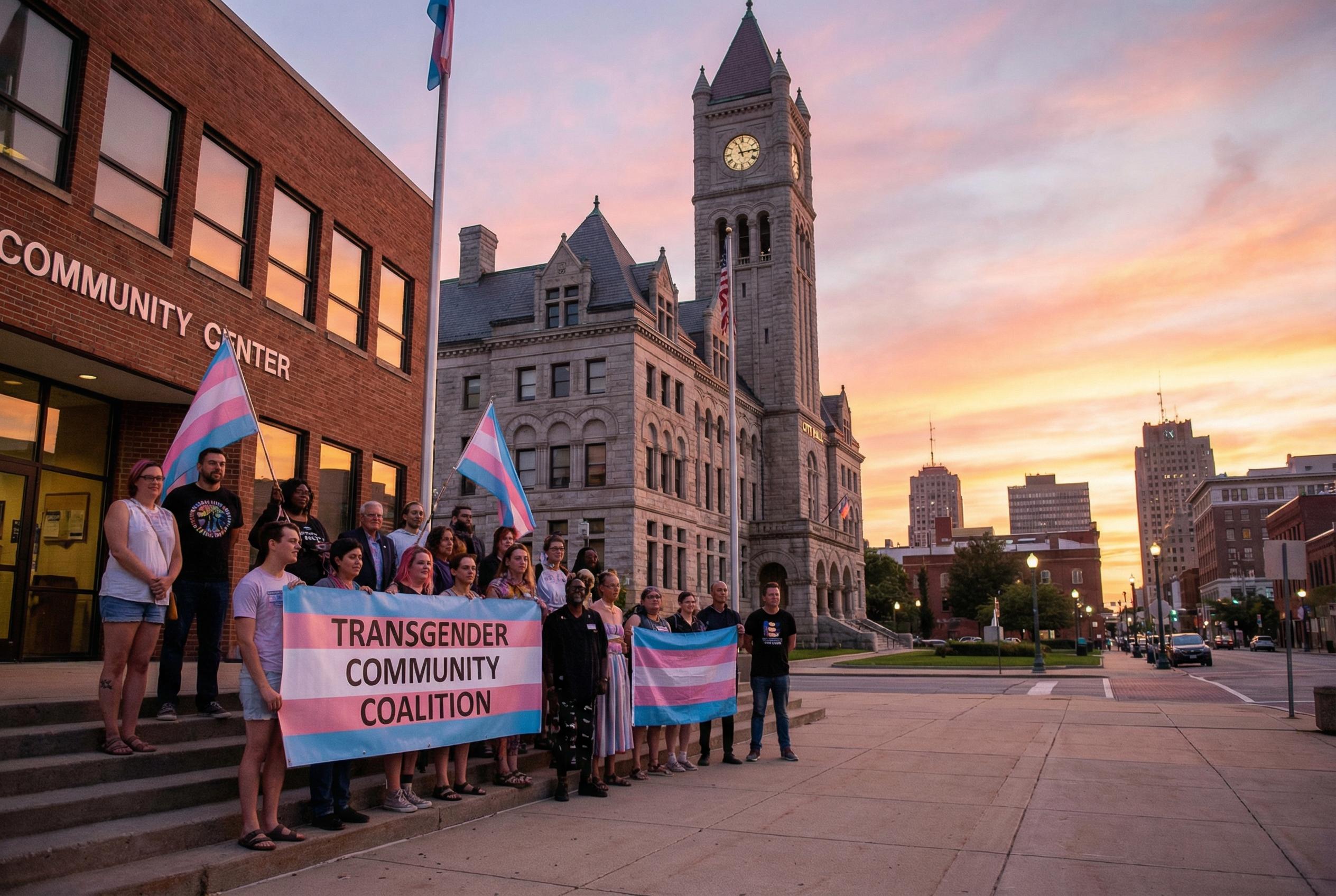
Shoppers of political news noticed the White House used Trans Day of Visibility to trumpet policy rollbacks, sparking pushback from advocates, politicians and medical groups , and reigniting debates about the human cost of sweeping anti-trans measures. Here’s what was claimed, what actually happened, and why it matters for trans people across the US.
Essential Takeaways
- What was released: The White House statement listed 11 actions the administration says protect children and restore “biological truth,” including an executive order on gender, a military ban, and limits on federal support for gender-affirming care.
- Context matters: Trans Day of Visibility is observed annually on 31 March; a Biden statement in 2024 coincided with Easter by chance, not replacement.
- Human impact: Research and civil-rights groups report rising violence and harm to transgender people and oppose blanket bans on care.
- Legal and political pushback: States, cities and advocacy groups have filed lawsuits and vowed to maintain protections regardless of federal policy.
- Practical note: If you or someone you know is affected, local LGBTQ+ legal clinics and medical associations remain key resources.
What the White House statement actually said
The administration framed its Trans Day of Visibility release as a victory lap, listing specific actions it says have corrected what it called Democrat “extremism.” The language was blunt and triumphant, and it included an executive order asserting a two‑gender framework, restrictions on passports, a ban on transgender military service and moves to curtail federal backing for youth gender‑affirming care. That sort of prose is designed to land emotionally , it sounds decisive and neat, unlike the messy reality of people’s lives. According to the White House release, these moves have “rescued” children and restored fairness, though medical bodies and civil liberties advocates disagree sharply.
Why the timing drew so much heat
Trans Day of Visibility has fallen on 31 March since it was created in 2009; in 2024, Easter coincided with the same date and prompted some online confusion. The White House accused the prior administration of “desecrating” Easter with a transgender message, but separate proclamations were issued that year and no official replacement took place. That detail matters because it shows how quickly public statements can be reshaped into culture-war talking points. Observances and holidays overlap all the time, but when officials frame coincidence as deliberate offence, it escalates tensions rather than clarifying intent.
What advocates and experts say about the policies
Human Rights Watch and the ACLU have documented the administration’s actions as an organised effort to roll back recognition and protections for transgender people, arguing the measures are discriminatory and harmful. Major medical associations oppose sweeping bans on gender‑affirming care for minors, calling such moves political interference with clinical practice. The lived costs are sobering: research organisations have highlighted rising violence and vulnerability for trans communities in recent years, and legal challenges note that blanket federal rollbacks clash with established medical guidance and civil‑rights principles.
Courts, states and cities pushing back
Legal fights are already underway. Democrat‑led states and municipalities have pledged to defend trans protections and many have filed or signalled lawsuits challenging federal directives. Governors and mayors have been vocal , some leaders have framed their interventions as life‑saving and necessary to protect residents. That resistance matters in practical terms: when federal actions change funding or guidance, states and local services can soften impacts by keeping clinics open, enforcing anti‑discrimination laws and funding support networks.
What this means for people on the ground
Policies change the landscape for care, ID documents and military service, and that can make everyday life harder , from accessing healthcare to travelling or serving in the armed forces. If you or someone you support is affected, local LGBTQ+ clinics, community legal centres and national helplines are good starting points for up‑to‑date advice. Also, keep an eye on your state rules: where federal guidance loosens, local protections and healthcare providers often fill the gap. Community networks and mental‑health resources become especially important during periods of rapid policy change.
It's a small change in wording or rules, but the consequences are anything but small for the people living through them.
Source Reference Map
Story idea inspired by: [1]
Sources by paragraph: