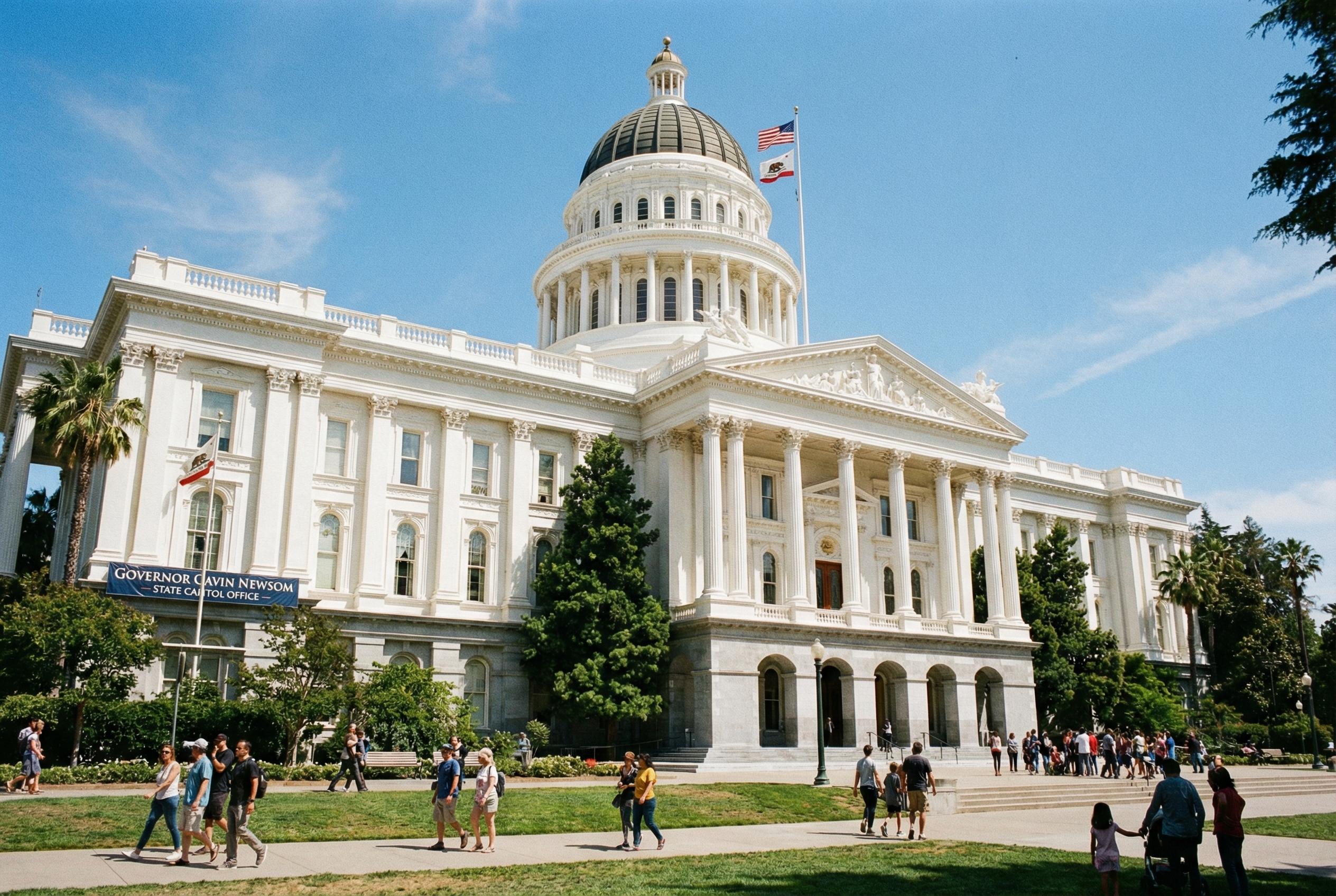
Shoppers of political theatre are flocking to Gavin Newsom’s latest stagecraft, as the California governor’s jokes, cultural comments and centrist pivots have prompted a loud backlash from LGBTQ and progressive activists , and that friction now matters for his national ambitions and California politics.
Essential Takeaways
- Public gaffe: Newsom’s jokes about conservatives using Grindr reignited criticism that he’s making homophobic remarks, even from some LGBTQ outlets.
- Cultural signal: His call to be “more culturally normal” triggered concern from the California Legislative LGBTQ Caucus about erasing identity politics.
- Policy paradox: Despite a long record of pro-LGBTQ laws, recent comments and budget choices have left some activists feeling betrayed.
- Political repositioning: Sources say Newsom is planning an image refresh to court centrists, which risks alienating the left while not guaranteeing new voters.
- Practical point: For voters, tone and policy both matter , a politician’s brand can shift faster than statutes, so watch language and budget lines as well as bills.
A joke that landed badly , and why it reverberated
The hook here is simple: a quip about a conservative using a gay hookup app became a flashpoint because it played against expectation. It felt small and slightly mean-spirited, and to some readers it smacked of using sexuality as an insult. That’s why outlets and commentators reacted quickly, calling the remarks insensitive or homophobic.
Backstory helps explain the sting. Newsom is not a blank-slate moderate; he has a long record of pushing LGBTQ rights in California. So when a governor known for progressive policy cracks a joke that seems to punch down, it reads differently than if it came from an opponent. For many, the line between ribbing and disrespect is thinner now than ever.
If you’re monitoring tone in politics, this episode is a reminder: one offhand comment can undo a lot of goodwill. For busy voters, the takeaway is to note patterns, not isolated slips.
“Culturally normal” , a phrase that unsettled allies
Newsom’s plea for the Democratic Party to be “more culturally normal” got attention because it struck at identity-based politics. LGBTQ leaders called it worrying; the California Legislative LGBTQ Caucus publicly said it implied some people are “not normal,” a loaded formulation given the community’s history.
Context is important. According to reporting on his book tour, Newsom framed the remark as a strategic appeal to a broader electorate, not as a repudiation of identity issues. Still, words about normality carry emotional weight, especially for groups whose rights were historically denied on that exact premise.
For campaign-watchers, the practical insight is obvious: message discipline matters. If a politician wants to court the centre, they need carefully chosen language so they don’t alienate their base.
The paradox of progressive policy and centrist signalling
Here’s the contradiction that fuels headlines: Newsom’s record includes major pro-LGBTQ moves, from expanding gender-affirming care access to requiring cultural competency training in schools. Yet budget trims and certain comments have led some activists to feel abandoned.
This is part policy, part perception. Budget cuts or vetoes , even when framed as fiscal necessity , will be read politically. And when a high-profile politician starts sounding like a centrist, long-time supporters suddenly reassess prior loyalty.
If you’re trying to judge what matters, follow both lawmaking and personnel or budget decisions. Laws stick, but so does the sense that someone is willing to trade principles for votes.
Image overhaul: can signal-behaviour match up?
Reports indicate the Newsom team is planning an image revamp to appeal to broader audiences. That’s hardly novel for a potential national contender. But makeover attempts carry risk: they may placate swing voters while alarm ing progressives who feel the governor’s shifting rhetoric threatens core commitments.
Comparisons with other politicians show that tonal moderation without policy constancy rarely satisfies either wing. The smart move would be a coherent, explained pivot , not a scatter of quips and mixed messages.
For voters, look for consistent follow-through. If policy and funding follow the new tone, the repositioning may be genuine; if not, it’s likely just noise.
What this means for progressives, centrists and the general voter
This little culture war flashpoint tells a bigger story about modern politics: authenticity, language and identity intersect messily. A politician’s record can be progressive while their rhetoric feels off, and that gap drives mistrust.
Practical advice: evaluate both deeds and diction. If you care about LGBTQ policy, dig into bills, budgets and executive actions as much as soundbites. If you’re a swing voter, ask whether the tone-shift comes with concrete policy changes.
Ultimately, political reputation is as much about perceived empathy as legislative scores. Newsom’s challenge is to close that perception gap before it defines him.
It's a small change in phrasing, but one that can shape a political future.
Source Reference Map
Story idea inspired by: [1]
Sources by paragraph: