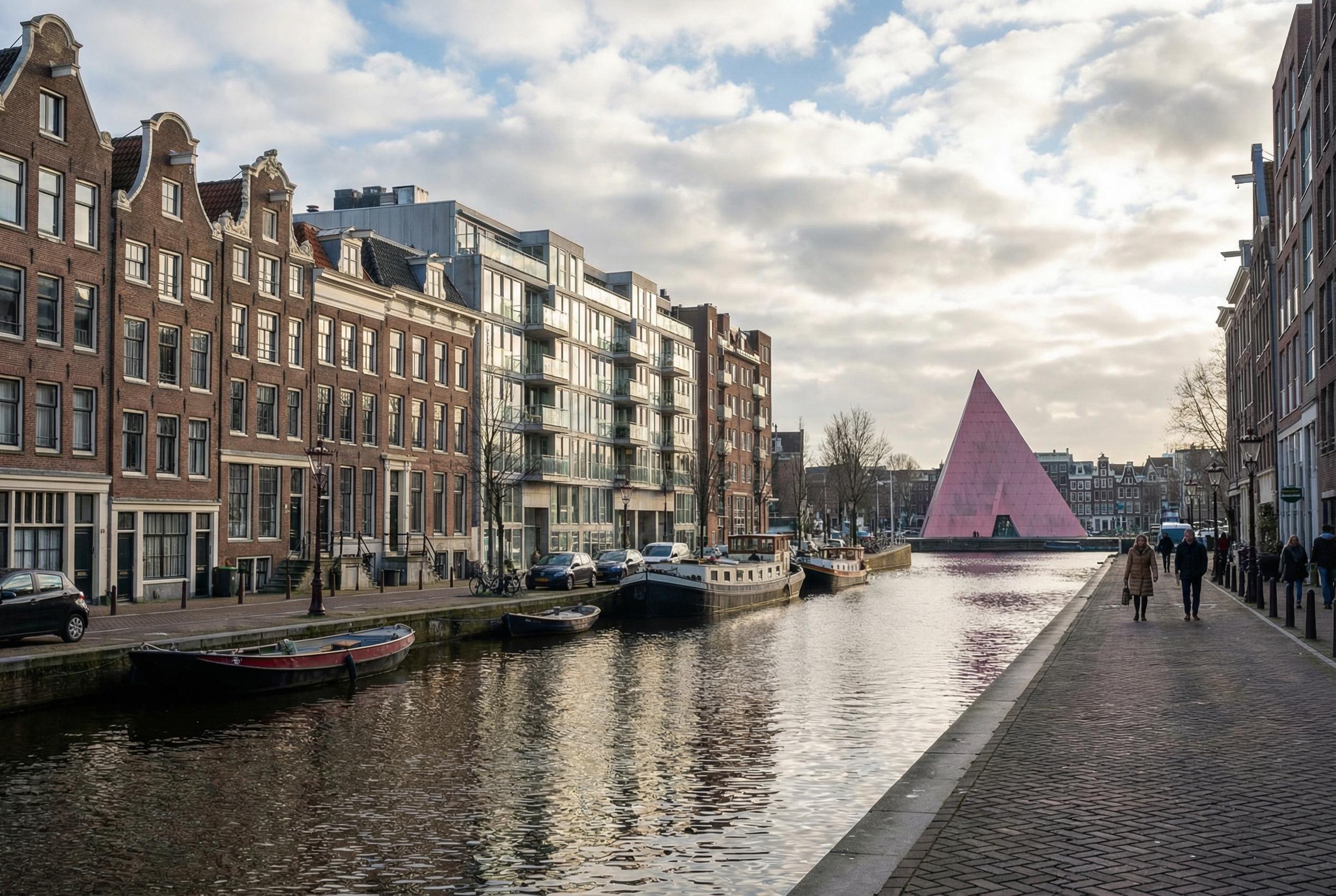
Celebrate, reflect and explore: Amsterdam is hosting WorldPride 2026 as the symbolic capital of marriage equality, bringing parties, protests and history to the canals; visitors should plan where to stay, how to join events, and how to respect local communities during this landmark 25th‑anniversary moment.
Essential Takeaways
- Big international event: WorldPride Amsterdam 2026 gathers parades, conferences, performances and political forums across the city.
- Historic focus: The programme foregrounds 25 years of same‑sex marriage in the Netherlands, with memorial and community sites like the Homomonument and Pink Point.
- Canal Parade and parties: Expect large crowds, loud celebrations and an accessible canal parade central to Pride week.
- Local visitor advice: Book accommodation early, pick a neighbourhood that suits your pace, and use public transport or bike hire to get around.
- Civic context: Amsterdam’s visibility of same‑sex couples is part celebration, part ongoing activism, events include discussions about next steps for equality worldwide.
Why Amsterdam feels like the world’s Pride capital this year
If you wander past the Homomonument or linger on a bridge and notice two brides posing for pictures, it won’t feel unusual , it’ll feel normal, and that normality is part of the point. Organisers say WorldPride 2026 centres on “Unity,” and that’s visible in the mix of street parties, political talks and memorial spaces across the city. The message is both celebratory and sober: this anniversary recognises progress since 2001 while asking what’s still unfinished.
What’s on the programme , parties, politics and the canal parade
WorldPride’s usual ingredients are all here: raucous parties, live performance and the famed canal parade that threads the city with colour. But the programme also deliberately threads in panels and exhibitions about marriage equality’s 25‑year legacy. According to the official organisers, expect spaces where activists, historians and younger LGBTQ+ people meet to debate rights, representation and safety , so your weekend can be both a festival and a learning opportunity.
Practical planning: where to stay and how to get around
Crowds will be intense, so early booking is non‑negotiable. Consider neighbourhoods a short tram or bike ride from the central canal belt if you want evening energy without the most frantic mornings. Amsterdam’s public transport and bike hire are reliable , use them rather than driving , and allow extra time for the canal parade days. If you need quieter downtime, look for accommodation in east or south districts that give space to recharge.
How to take part respectfully and safely
Join the parties, but remember this is also a platform for protest and remembrance. Visit the Pink Point and Homomonument to understand the city’s queer history, and treat those spaces with the same reverence you’d give a monument elsewhere. Keep an eye on local safety guidance from organisers , large events have bag checks, temporary closures and crowd management. If you’re documenting the event, ask permission before photographing people in vulnerable moments.
Beyond the weekend: what this anniversary means globally
Amsterdam hosting WorldPride in the 25th year since the Netherlands legalised same‑sex marriage is more than symbolism; it’s an invitation to compare routes to equality worldwide. The city’s visibility , couples married, families raising children, quiet everyday scenes , demonstrates how law and culture can intertwine. Expect conversations at WorldPride about how other nations can follow or adapt those lessons, and about issues that remain unresolved even in progressive places.
It’s a small shift to plan ahead, but it can make your WorldPride experience both joyful and meaningful.
Source Reference Map
Story idea inspired by: [1]
Sources by paragraph: