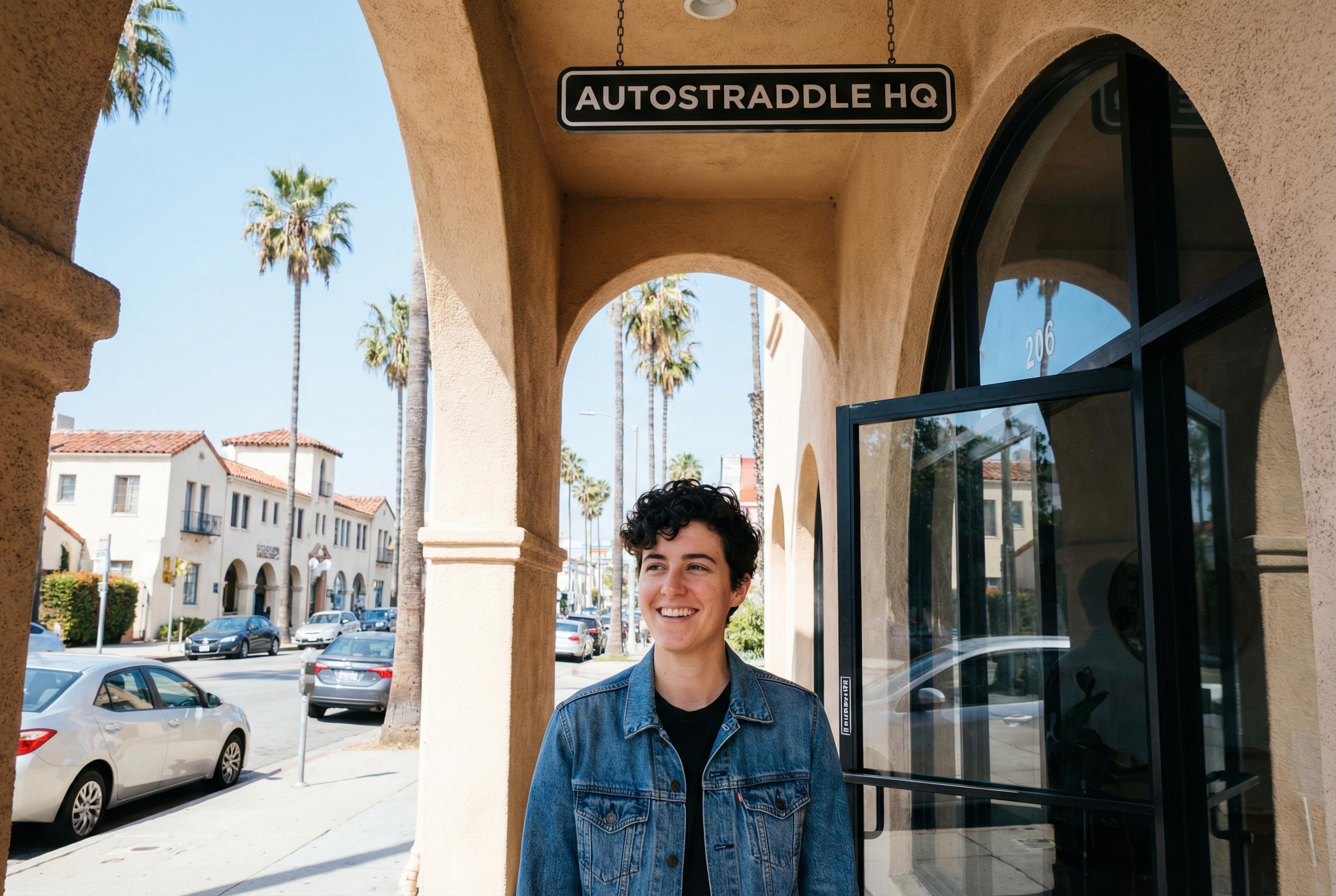
Discovering your sexuality is messy, private and often a little terrifying , and online quizzes like Autostraddle’s “Am I Gay?” give people a gentle, playful place to start. Readers are turning to community-rooted tools for clarity, comfort and connection, especially when mainstream resources feel distant.
Essential Takeaways
- Friendly tone: Autostraddle’s quiz uses casual, non-judgemental language that feels like chatting with a supportive friend.
- Community backing: The site is run by experienced LGBTQ+ creators, giving the tool credibility and cultural relevance.
- Accessible format: Quick to take, easy to share , the quiz is suitable for first steps, not formal diagnosis.
- Emotional safety: Many come away feeling seen or relieved, though follow-up support is recommended for deeper questions.
Why this quiz lands where others feel flat
Autostraddle writes for queer women and non-binary folks in a voice that’s both sharp and warm, and that shows in the quiz’s results, which tend to feel conversational rather than clinical. That relaxed vibe matters: people asking “Am I gay?” aren’t looking for a psychology lecture so much as reassurance and words that fit their experience. Sites that prioritise peer language and lived-experience cues generally get better engagement and less anxiety from users.
The story behind the site you’re trusting
Autostraddle wasn’t launched as a quiz factory , it grew from a grassroots, reader-driven magazine run by queer creators. The platform’s co-founder and lead voices have a track record in queer media and cultural commentary, which helps explain why readers treat its resources as culturally savvy, not generic. According to past reporting on the site’s achievements, Autostraddle has also been recognised by industry bodies, which bolsters trust for newcomers.
What the quiz can , and can’t , do for you
Think of this kind of quiz as a conversation starter. It’ll help you name feelings, spot patterns and feel less alone. But it isn’t a substitute for counselling, community groups or long, reflective conversation. If the quiz brings up strong emotions or confusion, consider seeking LGBTQ+ community centres, therapists experienced in sexuality questions, or moderated online groups where nuance and privacy are respected.
How to use the results wisely
If the quiz nudges you toward gay, bi, queer or somewhere else on the spectrum, give yourself time. Try small experiments: watch media with queer leads, connect with local or online queer spaces, or journal about attraction and desire. Practical steps , like changing who you follow on socials or trying out dating apps with clear filters , can help you test what feels truthful without major upheaval.
The bigger trend: people want community, not labels
Across media, there’s a shift away from rigid labelling and toward tools that centre empowerment and curiosity. Autostraddle’s quiz sits neatly in that trend: it’s quick, culturally aware and designed for people who want immediate, humane feedback. As conversation about sexuality becomes more open, expect more community-run tools that treat identity as something explored, not decreed.
It’s a small step, but asking the question out loud can be the start of finding where you belong.
Source Reference Map
Story idea inspired by: [1]
Sources by paragraph: