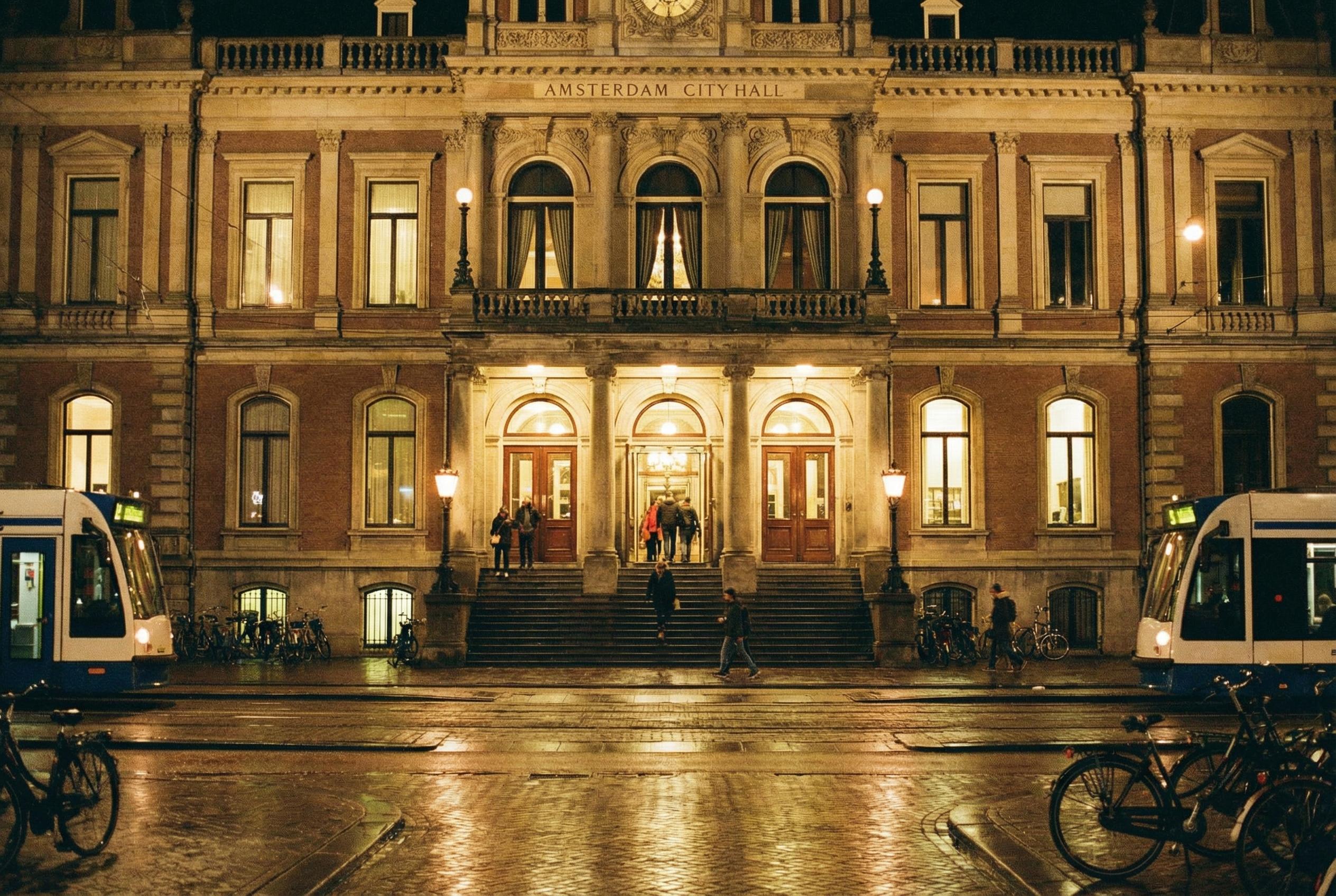
Marking a quarter-century since the Netherlands made history, Amsterdam celebrated with three new weddings, stirring personal memories and a reminder that hard‑won rights still need defending. Prime Minister Rob Jetten, himself shaped by those first televised ceremonies, stood alongside city leaders in a quietly powerful, full‑circle moment.
Essential Takeaways
- Historic milestone: The Netherlands marked 25 years since it became the first country to legalise same‑sex marriage.
- Ceremony highlights: Amsterdam City Hall hosted an early‑morning ceremony where three same‑sex couples were married, with Mayor Femke Halsema officiating.
- Personal resonance: Prime Minister Rob Jetten, the country’s first openly gay PM, recalled watching the original weddings as a teenager.
- Broader context: More than 36,000 same‑sex marriages have taken place in the Netherlands since 2001, illustrating how radical change became everyday life.
- Cautious optimism: Officials used the anniversary to celebrate progress while warning that LGBTQ rights require continued vigilance.
A landmark that still feels intimate
The strongest image from the anniversary was a human one: three couples saying “I do” under the vaulted ceilings of Amsterdam City Hall in the same city where everything began. That echo of the midnight weddings in 2001 gave the event a soft, nostalgic texture, public ceremony that feels personal again. Coverage from local reporters noted the symbolic timing and the familiar faces of civic ritual, reminding people why those first ceremonies mattered so much.
Why Rob Jetten’s presence mattered
Rob Jetten’s attendance added a contemporary twist to the commemoration. He’s the Netherlands’ first openly gay prime minister and has spoken about watching the pioneering 2001 weddings as a 14‑year‑old, a moment that helped him imagine his own future. His story turns abstract political wins into ordinary life decisions: planning a wedding, choosing a partner’s name in announcements, and being visible while leading a country. Profiles of Jetten underline how personal visibility can change public expectations.
Numbers that tell a quiet story
Since 2001, the Netherlands has registered more than 36,000 same‑sex marriages, a figure that helps explain why marriage equality moved from headline to habit. International research and data briefs put these figures in perspective, showing how legal change spread and how different countries have followed, but at varying speeds. For anyone comparing countries or planning advocacy, these numbers are useful proof that policy can reshape social norms over time.
Celebration with a note of realism
Amsterdam’s ceremony wasn’t mere triumphalism. Mayor Femke Halsema used the platform to remind people that rights once won can feel fragile if not actively defended. That kind of realism sits alongside celebration: you savour the cake and still lock the door. Observers say this dual tone, joy with vigilance, reflects a maturing movement that knows anniversaries are checkpoints, not finish lines.
What this means for queer visibility today
Events like this do more than mark anniversaries; they refresh cultural memory. For teenagers growing up now, seeing leaders who grew up with visible same‑sex weddings normalises the possibility of public, recognised relationships. For campaigners, it’s a reminder that visibility fuels change; for politicians, it’s a cue to translate symbolism into policy. If you want to support progress practically, local civic engagement and voting on protections remain the most direct levers.
It's a small, moving reminder that law and life travel together, one secures rights, the other makes them real.
Source Reference Map
Story idea inspired by: [1]
Sources by paragraph: