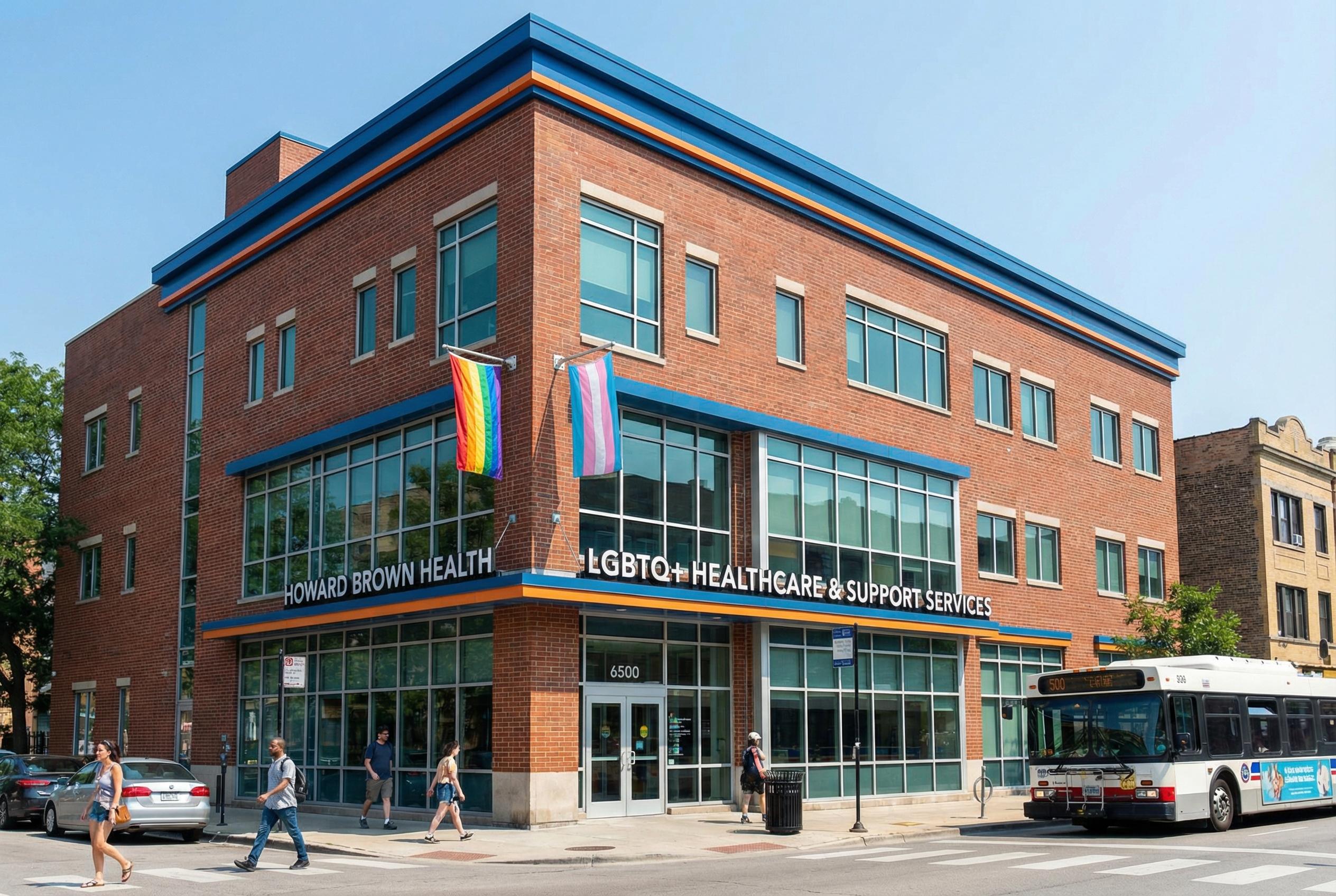
Shoppers are turning to identity-aware therapy , and LGBTQ+ Chicagoans are finding relief. This guide explains what makes LGBTQ+ trauma therapy different from general trauma treatment, why approaches like IFS and EMDR matter, where to look in Chicago, and practical tips for choosing an affirming trauma therapist.
Essential Takeaways
- Trauma is often cumulative: LGBTQ+ trauma usually builds over years through rejection, discrimination, and concealment rather than a single event.
- Body-first treatment matters: Somatic approaches and nervous-system work help clients feel safe in their bodies again, not just understand their history.
- IFS plus EMDR is powerful: Internal Family Systems helps unburden shame; EMDR can reprocess discrete traumatic memories, used together, they cover identity-level and event-based wounds.
- Look for dual competency: A good therapist in Chicago is both LGBTQ+ affirming and trauma-trained, comfortable with ongoing minority stress, and attentive to intersectionality.
- Small changes add up: Clients report quieter inner critics, more presence in the body, and increased capacity for intimacy and joy.
Why LGBTQ+ Trauma Needs Its Own Playbook
LGBTQ+ trauma often feels like a slow drip rather than a tsunami, and that changes everything about treatment. Instead of one memory to process, therapy must reckon with a history of microaggressions, family rejection, religious shaming, and institutional betrayals that rewired the nervous system over time. That means therapists treat patterns of protection, hypervigilance, people-pleasing, dissociation, rather than just isolated incidents. In practice, this looks like more emphasis on safety-building, body regulation, and identity work before deep memory processing begins.
What IFS Brings to the Table (and Why It Resonates)
Internal Family Systems gives language and structure to the inner parts many queer and trans clients carry, an exile harbouring internalised shame and managers that perfected survival strategies. IFS doesn’t force change; it invites curiosity and compassion, allowing parts to release burdens when they feel seen. For people who were taught to hide or shrink, that gentle, relational approach is often more tolerable and more durable than confrontation-based therapies. Therapists in Chicago increasingly pair IFS with somatic or EMDR work to address both the part-level burdens and the physiological imprint of trauma.
EMDR, Somatic Work and Other Evidence-Based Tools
EMDR remains a go-to for reprocessing specific, charged memories, assaults, violent rejections, or medical mistreatment. Somatic therapy complements this by helping the body learn new patterns of safety after years of tension or dysphoria. Acceptance and Commitment Therapy (ACT) and narrative approaches are useful when minority stress is ongoing; they help clients clarify values and rewrite internalised stories. Many Chicago clinicians use a blended toolkit: EMDR for discrete events, somatic work for chronic holding patterns, IFS to reframe identity-related shame, and narrative or ACT techniques to rebuild meaning.
How to Tell an Affirming, Trauma-Competent Therapist from a Pretender
Affirmation is necessary but not sufficient. A therapist who checks the LGBT-friendly box but lacks trauma training can leave clients retraumatised. When looking in Chicago, ask whether a clinician has specific training in IFS, EMDR, somatic modalities, or relational trauma work, and whether they explicitly integrate minority stress theory. Also check for cultural humility around race, class, immigration, religion, and disability, intersectionality shapes how trauma lands. Practical tip: ask how they adapt protocols when clients are still experiencing active discrimination or hostile policies; the right answer shows they know trauma can be both historical and current.
Where to Find This Care in Chicago , Practical Places to Start
Chicago’s queer infrastructure still matters: neighbourhood hubs, health centres, and boutique practices can connect you with specialists. Organisations and clinicians across the city emphasise both identity-affirming care and trauma competency, from EMDR-focused therapists to practices offering somatic and IFS work. Reach out to community centres, local LGBTQ+ health clinics, or practices that publish clear statements about trauma approaches and intersectional competence. A brief phone consult can quickly reveal whether a clinician asks informed questions about your identity, safety needs, and prior trauma work.
What to Expect in the First Months of Therapy
Therapy usually starts with history-gathering and safety-building, grounding skills, resource development, and trust in the therapeutic relationship. Processing comes later, once regulation is steady enough to tolerate it. For some people that means months of stabilisation; for others, a few sessions provide enough safety to begin targeted EMDR or IFS unburdening. Success is measured in gradual gains: fewer automatic reactions, more authentic moments, and an increased ability to choose rather than simply survive.
Questions to Bring to Your First Consultation
Make your first session count by asking practical, clarifying questions: “What trauma modalities do you use and how do you decide between them?” “How do you address ongoing minority stress?” “Can you describe your experience working with my specific identity?” A clinician who answers with concrete examples of cases, training, or referrals is more likely to be both safe and effective. Trust your instincts: if you feel like you’re educating them more than they’re guiding you, keep looking.
Small Signs of Real Progress You Can Expect
Healing often announces itself quietly: you stop scanning a room with the same intensity, you let a partner in without immediate armour, or you can attend a family event with fewer dissociative moments. Those small shifts, more presence, fewer automatic reactions, a softer inner voice, are how big change accumulates. And when joy returns in ordinary moments, you’ll know the work is doing what it should: not erasing pain, but expanding what your life holds.
It's a small change that can make every step toward being yourself feel safer and truer.
Source Reference Map
Story idea inspired by: [1]
Sources by paragraph: