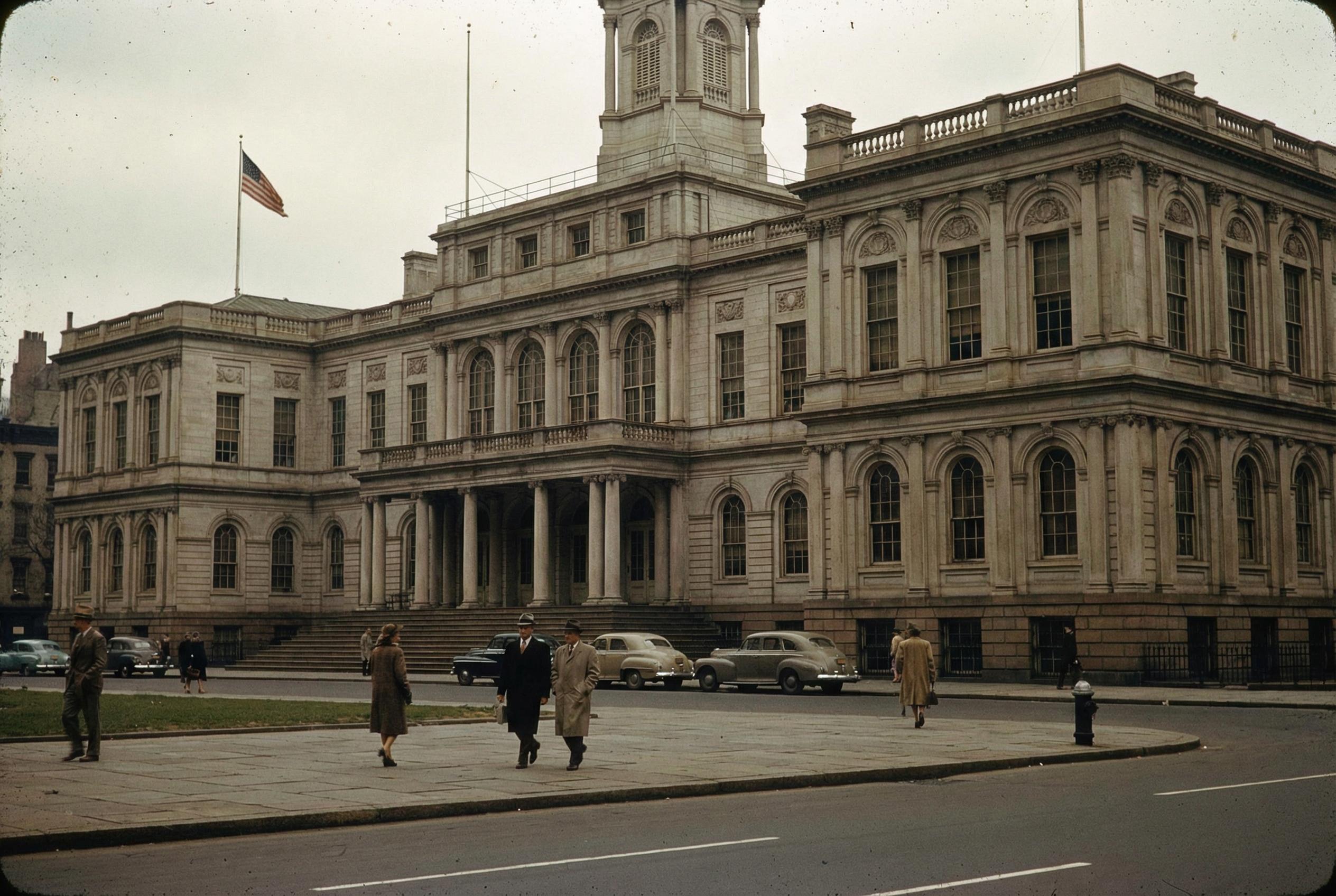
Remembering a hard-fought 1986 win that still matters: activists, public officials and everyday New Yorkers came together in a city shaken by the AIDS crisis to pass the New York City gay rights bill , a precedent-setting, gritty campaign whose lessons for organising, legal strategy and community care still resonate today.
- Historic victory: New York City added sexual orientation to its human rights law in 1986 after a 15-year push, a win celebrated amid the AIDS crisis and mass public demonstrations.
- Tactical coalition-building: A 50-group coalition and prominent leaders, including Ruth Messinger and Bayard Rustin, helped sway opinion and force crucial votes; the campaign blended grassroots pressure with testimony.
- Backlash followed quickly: Amendments and rollbacks were attempted, and federal rulings like the 1986 sodomy decision showed rights could be fragile , vigilance proved necessary.
- Progress since then: Protections for gender identity came later, domestic partner recognition expanded, and national legal wins followed , but legal and political threats persist.
- Why it matters now: The same combination of community organising, voting power and public education that won protections in 1986 is being urged again as rights face renewed attacks.
A victory forged during grief and grit
The streets of Greenwich Village felt electric in March 1986, a rare moment of communal joy in the middle of the AIDS nightmare. Activists remember a mix of relief and resolve , the new law offered legal shelter, but it arrived when so many were still dying and institutions were slow to care. According to historical accounts, the law came after repeated efforts going back to the early 1970s, and the final push was the product of sustained grassroots pressure and savvy public testimony.
The win didn’t feel like an endpoint. Leaders at the time warned that protections would require "eternal vigilance," words that ring true now as rights are contested anew. Those on the front line then describe the law as both symbolic and practical: it opened doors for people to come out with a measure of legal recourse, even if everyday prejudice remained.
How coalition politics turned a long fight into a win
The campaign’s success rested on broad alliances. A coalition of roughly fifty groups coordinated lobbying, public rallies and media outreach to shift a reluctant City Council. Ruth Messinger’s role in engineering the crucial vote is often singled out, a reminder that local political manoeuvring can be decisive. Bayard Rustin’s testimony and civil-rights framing also helped persuade sceptical lawmakers.
This kind of coalition work is a playbook worth remembering: align community organisations, bring respected voices to testify, and make the human stakes visible. For organisers today, the lesson is clear , durable legal gains rarely come from a single tactic; they come from sustained, multifront campaigns.
The backlash that proved rights can be precarious
Almost immediately after passage, opponents tried to weaken the law’s impact, proposing amendments that would make protections unequal in areas like housing. Activists had to mobilise quickly to defend the gains, and Mayor Ed Koch famously vetoed a harmful amendment after pressure from grassroots testimony.
The national scene was no safer: the US Supreme Court’s 1986 move to uphold certain anti-sodomy laws underscored how fragile progress could be. Those rulings sent tens of thousands into the streets that summer, highlighting that local wins don’t fully immunise communities from broader legal and political currents.
What changed in the decades after , and what didn’t
New York City kept expanding protections: gender identity and expression were added in 2002, and New York State followed with broader protections in later years. Domestic partner recognition and, eventually, same-sex marriage secured legal status and social recognition through a mix of legislative action and court decisions. Landmark Supreme Court rulings in 2013 and 2015 ultimately extended marriage equality nationwide, while the 2020 Bostock ruling safeguarded employment rights for LGBTQ people.
Still, federal legislation explicitly codifying sexual orientation and gender identity protections remains incomplete, and recent political trends have put new threats in play. That history shows progress can be cumulative yet uneven, and that legal victories may need renewed defence as political winds shift.
Why history matters for today’s fights
Speakers at recent anniversary events have been blunt: the mechanisms that won rights in the 1980s , organising, testimony, strategic partnerships and voter mobilisation , are the tools we still need. Leaders warn against complacency and urge voters to recognise how seemingly unrelated policies, like voting access, can affect civil-rights outcomes.
There’s also a moral point: those who lived through the early campaigns say the fight was as much about dignity as legal language. That human-centred approach , showing the faces and stories behind policy , remains a potent way to win hearts and influence lawmakers.
Practical takeaways for activists and voters
If you care about protecting rights, start local: join community groups, attend council meetings and support organisations doing sustained outreach. Vote in municipal and national elections; small local votes often decide big protections. Use storytelling , testimony and personal accounts sway undecided officials. And remember the emotional labour involved: sustained organising needs rest, mutual care and long-term funding.
It's a small change that can make every victory more resilient.
Source Reference Map
Story idea inspired by: [1]
Sources by paragraph: