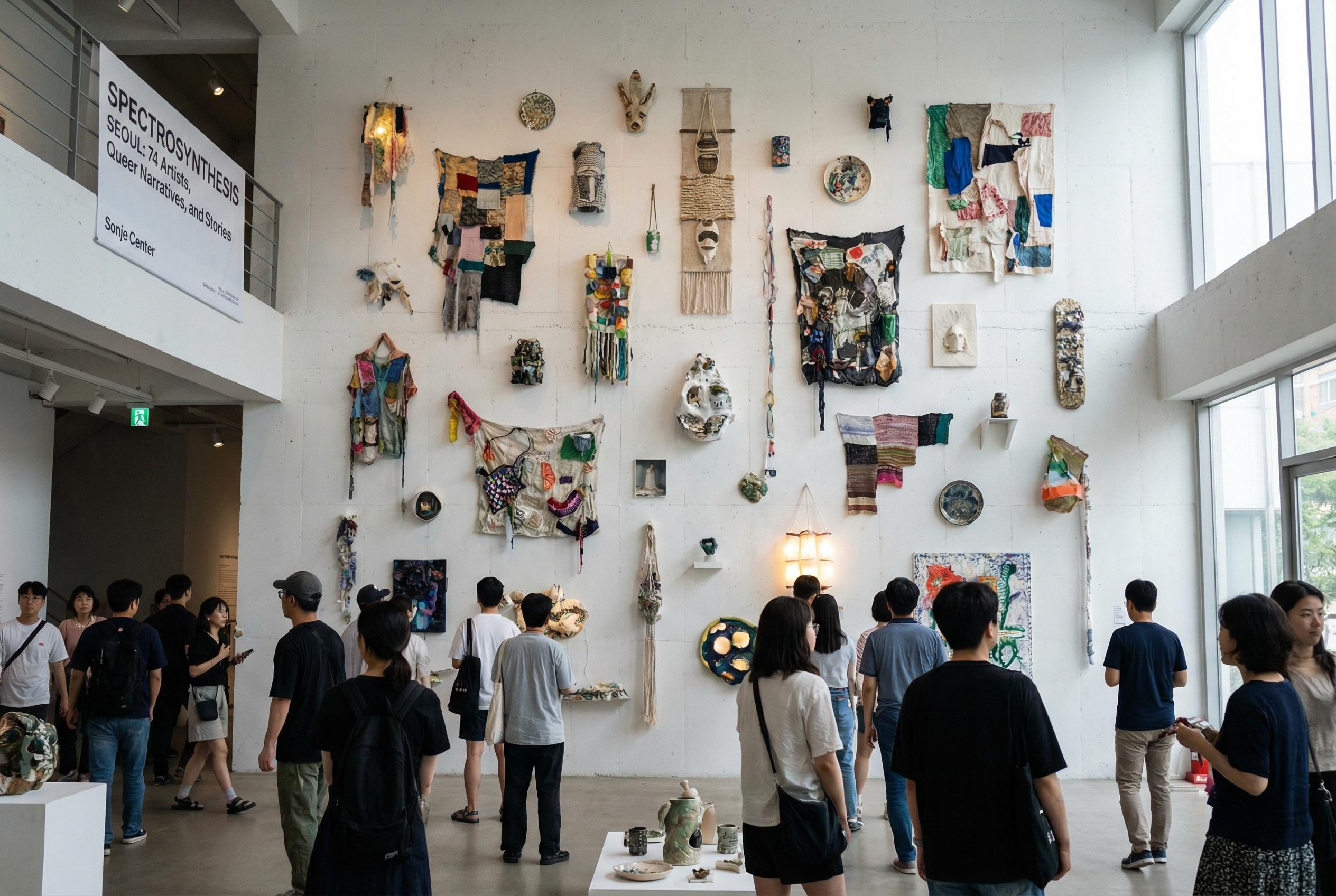
Shoppers of culture and curious viewers are witnessing a swift shift: South Korea’s queer stories are moving from niche corners to gallery walls, streaming platforms and prime‑time reality TV , showing visibility can grow even when legal protections lag behind.
Essential Takeaways
- Major exhibition: Spectrosynthesis Seoul, a large LGBTQIA+ show, opened at Art Sonje Center with 74 artists, signalling institutional interest and a colourful, public presence.
- Media momentum: Korean streaming and reality TV , from niche GL/BL dramas to Wavve’s ToGetHer , are making queer lives visible in ways mainstream TV once avoided.
- Legal gap: Despite cultural gains, same‑sex marriage and comprehensive anti‑discrimination laws remain stalled, so public visibility doesn’t equal legal safety.
- Generational split: Younger and urban audiences show more acceptance, while broader public opinion and conservative forces slow legislative progress.
- Practical note: For queer Koreans, increased visibility brings both recognition and risk; communities and media outlets are crucial support networks.
Spectrosynthesis Seoul put queer art in a major museum , and it looked deliberate
Spectrosynthesis Seoul filling four floors of the Art Sonje Center felt, quite literally, like visibility turned up to full brightness. The exhibition brought 74 artists and allies into a public, institutional space that had largely ignored queer narratives before. According to the Art Sonje programme and press listings, the show was curated to foreground a mix of local and international voices, making the gallery itself a site of conversation. Organisers and funders framed the project as both celebratory and confrontational, and that dual tone matters: it invites casual visitors while giving activists and artists a platform. This is not a flash in the pan. Institutions opening their doors to LGBTQIA+ exhibitions signals a market and cultural readiness for queer stories , even if the legal framework hasn’t caught up yet. If you’re visiting, look for works that mix humour and pain; that contrast is often where the most honest insights live.
Streaming and drama have slowly shifted from coded hints to open stories
K‑dramas and web dramas once hid queer characters in supporting roles or relegated them to niche GL/BL platforms, but that’s changed in fits and starts. The rise of queer leads in higher‑profile series and the proliferation of web content have helped normalise queer romance on screen. Where Your Eyes Linger and other web dramas first cultivated an audience online, and series such as Mine marked a watershed moment by giving a lesbian lead much broader exposure. Meanwhile, broadcasters and platforms are experimenting more, testing how mainstream viewers respond. For viewers, that means more realistic depictions of queer life and relationships; for producers, it shows that demand exists. If you’re choosing shows for education or empathy, start with web dramas and then sample mainstream series to track how representation changes tone and depth.
Reality TV became an unexpected battleground for everyday queer visibility
Reality TV can be messy, but it’s bluntly effective at showing ordinary lives rather than polished narratives. Wavve’s ToGetHer, billed as South Korea’s first lesbian dating reality show, put queer dating on a very public stage and sparked widespread conversation. The programme exposed both acceptance and backlash; contestants faced online scrutiny and moralising, underscoring a fragility beneath the applause. Yet the series also proved that real‑time, unscripted queer stories reach viewers in ways scripted shows sometimes can’t. Producers teasing new projects like Stand Bi Me suggest platforms see a “queer universe” as a growth area. For participants, the trade‑off is visibility versus vulnerability , something to weigh carefully before signing on.
Gallery shows and streaming don’t erase the law: the legal picture stays bleak
Cultural momentum hasn’t translated into legal protections. Attempts to pass anti‑discrimination legislation and recognise same‑sex partnerships have repeatedly stalled in the National Assembly, blocked by conservative pressure and political inertia. That gulf has measurable consequences: no clear recourse for workplace discrimination, housing or education bias, and a social climate where many people still hide their relationships or gender identities. Surveys and reporting still show majority opposition to legal recognition of same‑sex relationships across parts of the population. So, while galleries and screens open new spaces for dialogue, they can’t replace the tangible safety that laws provide. Activists argue cultural visibility builds pressure for reform, but the path to legal change is slow and uneven.
What this means for queer Koreans , and for allies abroad
For queer Koreans, the new cultural visibility is a double‑edged sword: it’s affirming to see your life reflected in museums and on TV, but exposure can increase personal risk without legal protections. Community outlets, charities and independent media play a huge role in offering support and storytelling spaces. International attention and diasporic networks also help, by amplifying artists and shows that might otherwise stay local. Donations, streaming viewership and cultural tourism all matter , they keep projects funded and conversations alive. If you want to support this moment, follow independent queer media, visit exhibitions like Spectrosynthesis when you can, and watch streaming shows that centre queer lives; your attention converts visibility into sustainability.
It's a small cultural shift with big implications , visibility is winning ground, now the law and public opinion need to catch up.
Source Reference Map
Story idea inspired by: [1]
Sources by paragraph: