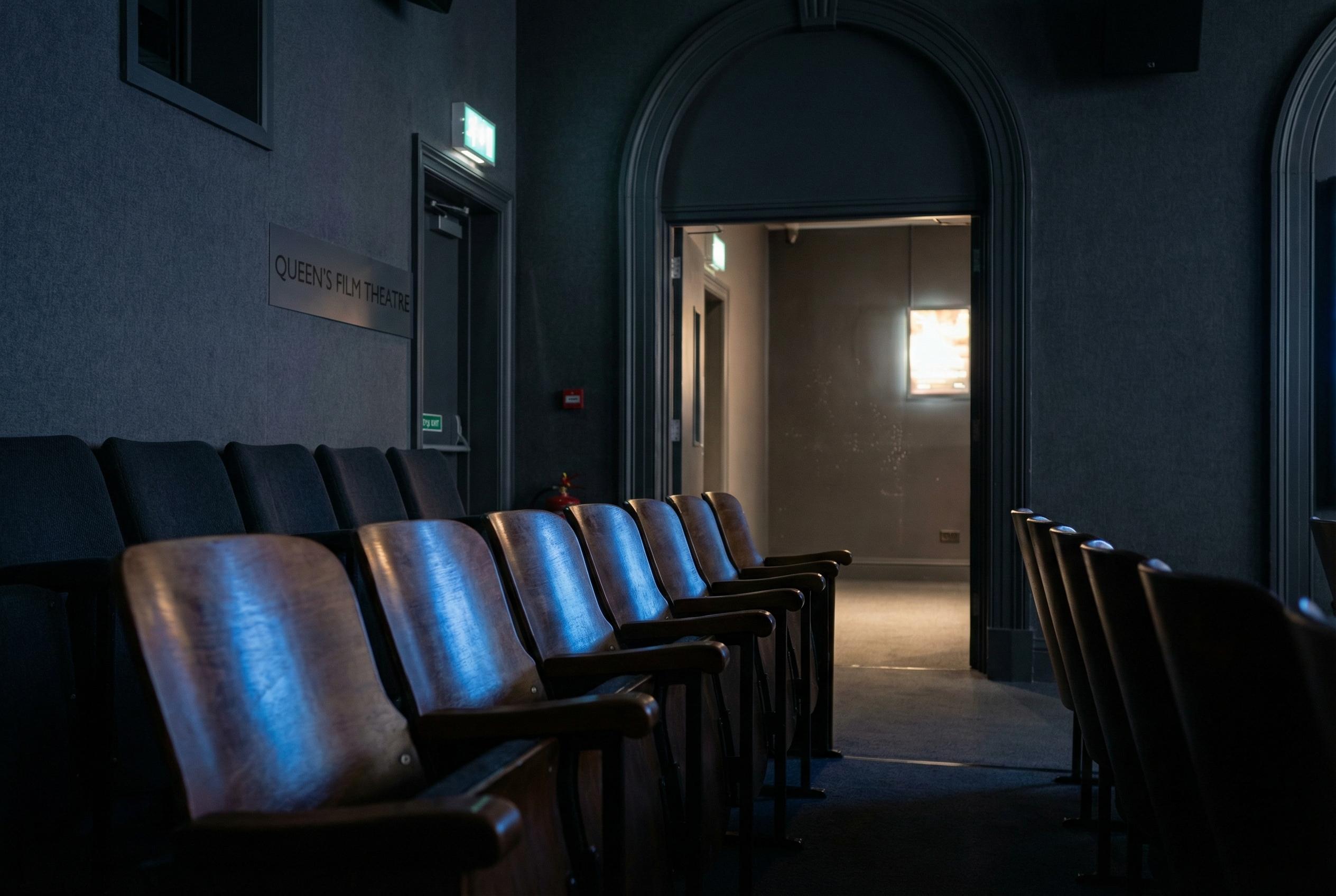
Catch vibrant, globe-trotting short films for free in Belfast next week , a timely celebration of identity, resilience and community as the British Council’s Five Films For Freedom programme brings shorts from Brazil, Vietnam, Mexico, France and the UK to QFT and The Black Box.
Essential takeaways
- When and where: Free screenings at Queen’s Film Theatre on 25 March and The Black Box on 26 March, with post-screening panels and Q&A sessions.
- What to expect: Five Films For Freedom shorts covering gender, intimacy and queer histories , titles include Sweat (Vietnam), Theo (Brazil), Rag Dolls (Mexico/USA), Room 206 (France) and I Hate Helen (UK).
- Local highlights: Belfast short Just Johnny and Purebred by Caleb J. Roberts feature alongside a new LGBTQIA+ heritage documentary exploring queer experiences in Northern Ireland.
- Atmosphere: Events promise thoughtful conversation, warm storytelling and a mix of tender, sharp and resilient voices , easy to get emotional about, and eye-opening.
- Access: The campaign runs online until 29 March and the films are available via British Council platforms and BFI Player in the UK.
A welcome cinematic mix , international stories, local heart
This is a screening lineup that feels both worldly and intimate, with films that smell faintly of dust-strewn streets, school playgrounds and hospital corridors. The British Council’s Five Films For Freedom curates shorts that address gender, desire and belonging, and Belfast’s slot in the programme brings that global conversation to local screens. According to the British Council, the initiative has been viewed almost 29 million times since 2015, so these free events are part of something that already travels far and wide.
Expect the emotional variety of short-form cinema: a farm worker weighing the cost of leaving home in Sweat, a child testing rigid gender rules in Theo, and intimate documentary moments in Room 206. If you like your cinema concise but affecting, these screenings are ideal.
Why the panels matter , filmmakers, advocates and a chance to ask questions
Beyond the films themselves, organisers have prioritised conversation. Both screenings include post-film panels with directors, cultural leaders and LGBTQIA+ advocates, giving audiences the rare chance to dig deeper into creative choices and social context. Gerard McCarthy, whose Belfast short Just Johnny appears, joins the Black Box discussion alongside heritage project contributors, while the QFT session is chaired by the British Council’s film director with festival and screen agency representatives.
That structure turns a night at the pictures into a communal event , you’ll leave having heard practical insights about making films here, and personal perspectives that linger longer than a single screening.
Local work stands proud , Belfast voices and queer heritage
It’s heartening to see Belfast work placed alongside international shorts. Just Johnny, written by actor-writer Gerard McCarthy, follows a boy who wants to wear a dress for his Holy Communion and has already won prizes overseas. Purebred by Caleb J. Roberts adds a transmasculine viewpoint from a local filmmaker. The Black Box screening also features The Troubles I’ve Seen, a heritage documentary made with The Rainbow Project and Cara-Friend, which maps queer lives in Northern Ireland.
Seeing local stories in this context matters , it underlines that Belfast’s queer experiences are both specific and part of a global conversation about identity and representation.
Practical tips , how to make the most of the screenings
Book early: tickets are free but limited, and both QFT and The Black Box ask attendees to reserve places. Arrive a little early for informal pre-film chatter and to soak in the venue’s atmosphere. If you want to stay involved, follow up via the British Council and BFI Player where the programme runs online until 29 March. Bring a friend , short films make great conversation starters.
If you’re attending the panels, think of a concise question: filmmakers often appreciate focused queries about craft or context rather than broad criticism.
Why it still matters , visibility, safety and connection
The Five Films For Freedom programme deliberately reaches audiences in places where LGBTQIA+ stories are invisible or censored, underscoring film’s power to foster empathy and connection. Colm McGivern of the British Council Northern Ireland frames these screenings as opportunities to inspire new local talent and spark conversation within communities. It’s a small reminder that cinemas can be civic spaces as well as places for distraction.
Whether you’re seeking moving storytelling or a chance to support queer cinema locally, these screenings are worth a calendar mark.
It's a small change that can make every screening feel like an invitation.
Source Reference Map
Story idea inspired by: [1]
Sources by paragraph: