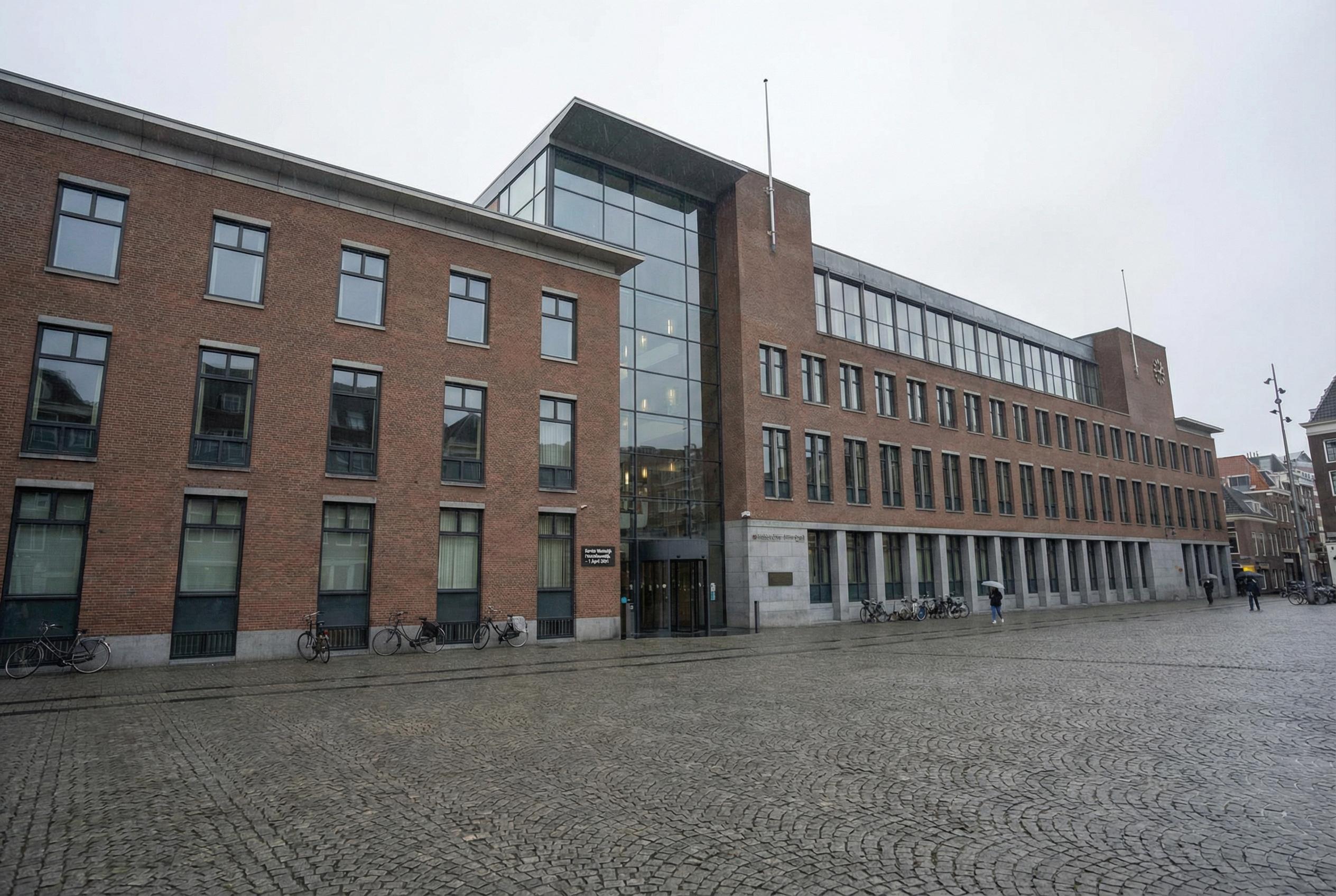
Celebrating a quarter-century since Amsterdam made global history, the Netherlands marked 25 years of same-sex marriage with three new weddings at City Hall , a symbolic, public reminder of progress, belonging and the work that still remains for LGBTQ+ rights.
Essential Takeaways
- Historic anniversary: The Netherlands marked 25 years since legalising same-sex marriage, first enacted on 1 April 2001.
- Ceremony highlights: Three couples married at Amsterdam City Hall with Mayor Femke Halsema officiating and Prime Minister Rob Jetten in attendance.
- Scale of change: Over 36,000 same-sex couples have wed in the Netherlands since 2001, a figure that speaks to normalisation and celebration.
- Ongoing context: More than 30 countries have followed the Netherlands, but many places worldwide still lack legal recognition.
- Personal impact: Leaders and newlyweds highlighted belonging, gratitude and a warning that rights aren’t guaranteed forever.
A quiet, emotional start to a big day
The photo-op line was short but meaningful: three couples said “I do” inside Amsterdam City Hall, and the room felt both intimate and historic. Mayor Femke Halsema chose to officiate personally, calling the moment among her most special as mayor, and that low-key sincerity made the event feel like a private celebration with public resonance. According to coverage from local and international outlets, the gathering mixed official pomp with the simple joy of newlyweds starting married life together. (Sources: [2], [6])
Why the date still matters , the origin story
The original ceremony on 1 April 2001 is stamped into modern civil-rights memory: then-mayor Job Cohen married four same-sex couples at City Hall and the image went worldwide. That act didn’t just change Dutch law, it signalled to millions that marriage could truly be for everyone. Dutch media recall Cohen’s words from the first day , a phrase that helped shift language from “partnership” to “we are married” , and that framing still resonates today. (Sources: [4], [2])
Numbers that tell a story , how many, and what it shows
Data matters because it makes abstract progress concrete: more than 36,000 same-sex couples have married in the Netherlands since 2001. That tally demonstrates decades of social normalisation, steady legal practice and countless personal commitments celebrated in families and communities. Pew Research and Dutch reporting show that the Netherlands led a trend followed by over 30 countries, even as global coverage reminds readers that many nations have yet to legalise such unions. (Sources: [5], [3])
Leaders, speeches and the personal angle
Prime Minister Rob Jetten attended the anniversary ceremony, a poignant detail given he is the Netherlands’ first openly gay prime minister and has wedding plans of his own. He spoke to the couples directly and later reflected on how the 2001 weddings helped a 14-year-old version of himself feel he “belonged.” That mix of political presence and personal testimony underscores how legal change ripples into private lives and civic identity. (Sources: [6], [2])
What this anniversary means beyond the ceremonies
Commemorations like Amsterdam’s are partly celebration, partly reminder: rights can be expanded, but they also require vigilance. Commentators in the Netherlands and abroad noted that legal recognition has spread but isn’t universal, and that attendants urged people not to take hard-won freedoms for granted. Practically, the anniversary also offered a moment to celebrate couples, spotlight ongoing advocacy and encourage conversations in places where marriage equality isn’t yet law. (Sources: [3], [4])
How to mark an anniversary like this, whether you live here or abroad
If you want to mark the day, think small and sincere: attend a local Pride event, support LGBTQ+ charities, or simply invite friends for a meal and conversation about what equality means where you live. For couples, anniversaries are a moment to document memories, update wills or celebrate with family. For allies, it’s a chance to listen, learn and speak up where legal protections still lag. (Sources: [5], [3])
It's a small, potent reminder that civil rights are made one ceremony, one law and one conversation at a time.
Source Reference Map
Story idea inspired by: [1]
Sources by paragraph: