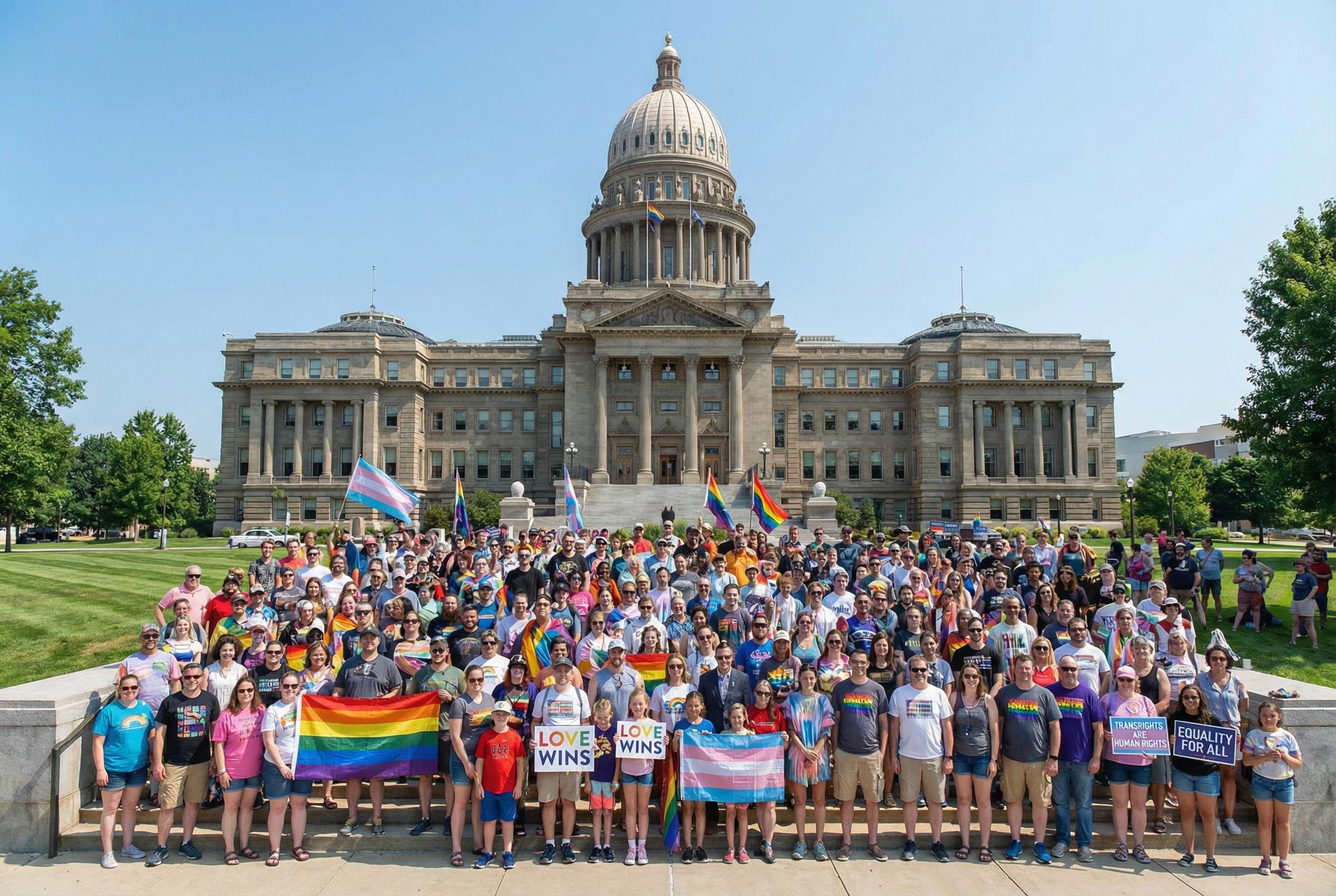
Shoppers for legal clarity are now watching the courts: the US Supreme Court struck down Colorado’s ban on conversion therapy for minors in an 8–1 decision, a move that affects state efforts to restrict talk therapy aimed at changing sexual orientation or gender identity and matters to families, clinicians and advocates nationwide.
Essential Takeaways
- Major ruling: The Supreme Court held that Colorado’s ban on conversion therapy likely violates the First Amendment, by restricting certain therapist speech.
- Wide vote: The decision was 8–1, with two liberal justices joining six conservatives; Justice Ketanji Brown Jackson dissented.
- Health concerns remain: Major medical groups still oppose conversion therapy because studies link it to increased depression and suicidal thoughts.
- Practical impact: The ruling makes it harder for states to enforce similar bans, but clinicians who cause harm may still face legal or professional consequences.
- Personal tone: Families and therapists should prepare for more state-by-state uncertainty and look to professional guidance when deciding on care.
What happened , quick, clear and a little jarring
The Supreme Court found Colorado’s law, which barred practices intended to change an under‑18 person’s sexual orientation or gender identity, problematic because it regulated what therapists can say during sessions. The majority framed the issue as one of free speech rather than medical regulation, and that shift is what overturned the state’s attempt to impose a ban. It’s a decision that will feel like a victory for therapists who argue for religious or parental choice, and like a setback for LGBTQ advocates who point to clear evidence of harm.
Why the First Amendment mattered more than medical arguments
At the heart of the ruling was the notion that talk therapy is speech that deserves constitutional protection. Justice Neil Gorsuch and others emphasised that the government shouldn’t enforce orthodoxy in speech, even inside a therapy room. Colorado argued that therapy is healthcare and therefore regulable like other medical practices, but the majority disagreed. That legal framing , speech versus practice , is what other states will now have to overcome if they want similar bans to stick.
How the medical community and advocates reacted
Major medical associations have repeatedly condemned conversion therapy, and research links the practice to worse mental-health outcomes for LGBTQ youth. Advocates called the ruling dangerous, stressing the scientific consensus against conversion efforts. Yet supporters of the counsellor who brought the case said the decision protects voluntary, faith‑based counselling and parents’ rights. Expect organisations on both sides to keep litigating and lobbying; public-health warnings won’t disappear overnight just because of a constitutional ruling.
Practical tips for families and clinicians navigating the fallout
If you’re a parent, clinician or teen affected by this, here’s what matters now: check professional licencing boards and local laws , the decision doesn’t immunise harmful conduct from malpractice claims or professional discipline. Seek therapists who follow evidence-based, affirmative practices if you want support around gender or sexuality. If faith and counselling overlap for your family, have clear conversations about goals and safeguards, and document consent and therapeutic approaches. Schools, clinics and insurers will likely update policies, so keep records and ask providers about their training.
What to expect next , state battles and careful choices
This ruling won’t be the last word. States that value protecting youth mental health may try new, narrower laws or regulatory routes that survive First Amendment scrutiny. Litigation will continue, and professional bodies may step up guidance. For now, families and clinicians face a patchwork of protections and risks , which means being informed and choosing care with both medical evidence and legal realities in mind.
It's a small change in legal wording that will have big emotional and practical ripple effects for families and providers.
Source Reference Map
Story idea inspired by: [1]
Sources by paragraph:
- Paragraph 1: ,
- Paragraph 2: ,
- Paragraph 3: ,
- Paragraph 4: ,
- Paragraph 5: ,