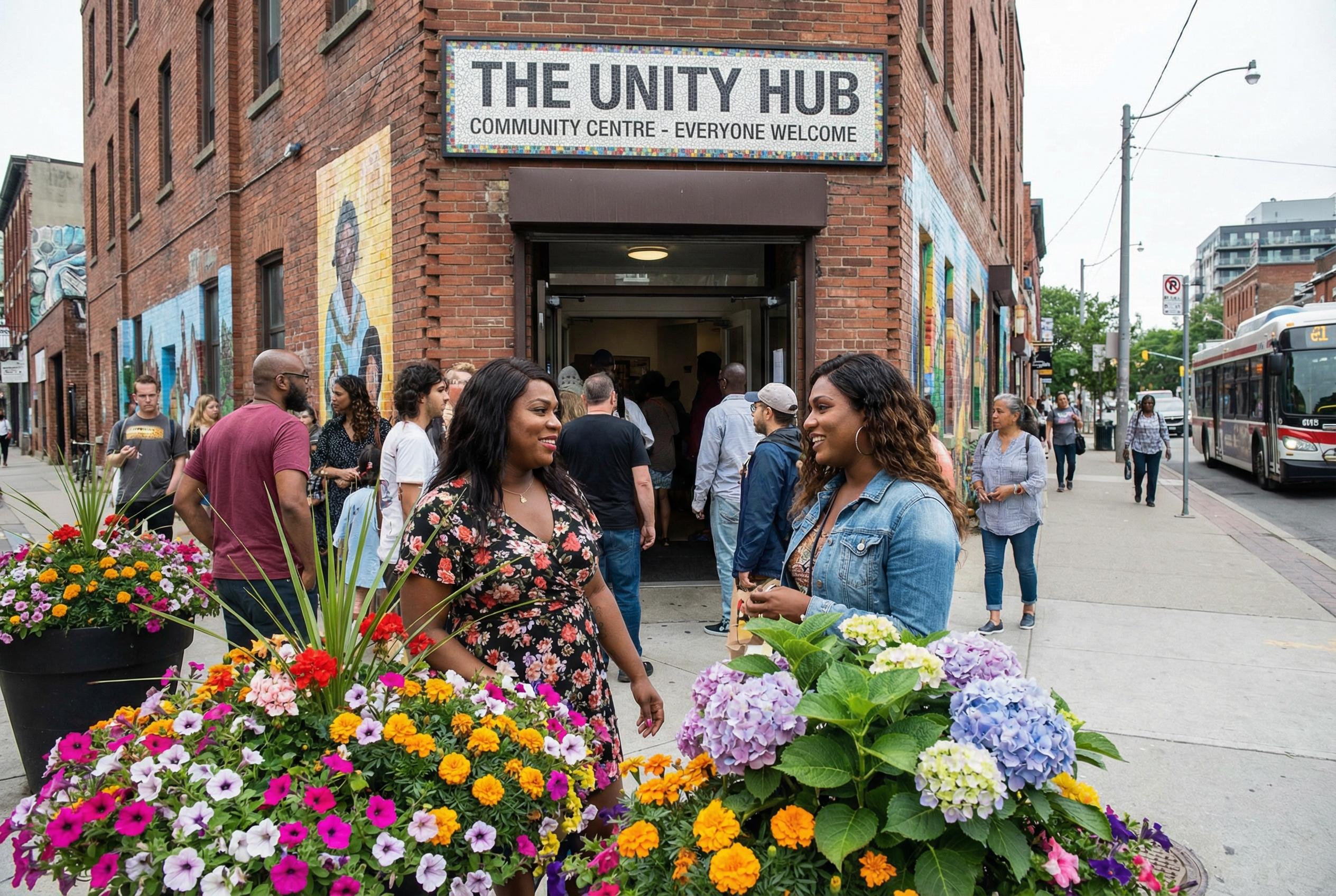
Celebrate boldly: Transgender Day of Visibility is a day for recognising transgender people’s contributions, resilience and joy, and for taking practical action where it counts , in healthcare, schools and faith communities across the UK and beyond. Here’s how individuals and groups can make visibility mean something real.
Essential Takeaways
- Origin and purpose: Founded in 2009 to celebrate trans lives and leadership, not only to remember losses.
- What’s at stake: Anti-trans laws affecting healthcare and education make visibility urgent and political.
- Everyday actions: Simple acts , amplifying trans voices, supporting local groups, and checking policy , have immediate impact.
- Faith and visibility: Many faith leaders see living authentically as spiritual; faith communities can be powerful allies.
- Practical tip: Start locally , contact schools, donate to trans-led organisations, and attend public events.
Why this day still matters , and why it feels urgent
Transgender Day of Visibility began as a deliberate celebration, created to honour the lives and leadership of transgender people, and its roots are both joyful and defiant. According to historical coverage, the day was started in 2009 as a counterpart to days of mourning, and it centres visibility as liberation. Meanwhile, today’s political landscape has pushed the issue into everyday life: laws and proposals affecting healthcare, schooling and public participation mean visibility isn’t just symbolic, it’s protective. For anyone wanting to help, that urgency suggests concrete focus , advocacy, donations and being visible in everyday conversations.
How communities can show up , practical moves that help
Showing up doesn’t have to be dramatic. Local groups can host panels featuring trans speakers, libraries can highlight trans authors, and councils can review service equality policies. Human Rights Campaign materials and similar guides offer templates for workplace and school inclusion, and community donations to trans-led organisations fund legal support and healthcare navigation. If you’re unsure where to start, ask: local LGBTQ+ centres or national helplines can point you to well-run, reputable groups that need time and resources.
Faith, identity and the spiritual case for visibility
For many people of faith, visibility is deeply spiritual , a way of witnessing to the idea that every person is made with intention and worth. Interfaith groups and progressive congregations have been hosting conversations that centre dignity and pastoral care, while faith leaders increasingly frame authenticity as testimony. If your place of worship is unsure how to respond, suggest a listening session or a book group; small, respectful steps often open doors to long-term support.
In schools and families: what really helps kids and teens
Education settings are where policy and compassion collide. Research and reporting show that when schools adopt inclusive policies , around names, pronouns and access to appropriate services , young people fare better emotionally and academically. Parents and carers can start by listening, learning from trans-led resources, and working with school staff to ensure safety plans are in place. If you’re a teacher, practical steps include visible support signs, staff training, and connecting families to local support networks.
Visibility as civic action , advocacy that changes systems
Visibility has always been political: the modern LGBTQ+ movement traces back to events where trans people were already at the front of protests and organising. Today that translates into targeted civic action , contacting MPs, supporting litigation that defends rights, monitoring local healthcare and education decisions, and voting with inclusion in mind. Media and public conversation shape policy, so amplifying trans voices in local press or on social media matters. Even small, steady pressure can move institutions toward better protections.
Where to put your energy , a simple checklist
If you want to help but feel overwhelmed, try this: 1) Amplify trans-led media and creators; 2) Donate to reputable trans charities; 3) Volunteer with local support groups; 4) Push for inclusive policies at work and school; 5) Attend vigils, panels or community celebrations. Each small act builds a safer, more visible community.
It's a small change that can make every day a bit safer and more affirming for transgender people.
Source Reference Map
Story idea inspired by: [1]
Sources by paragraph: