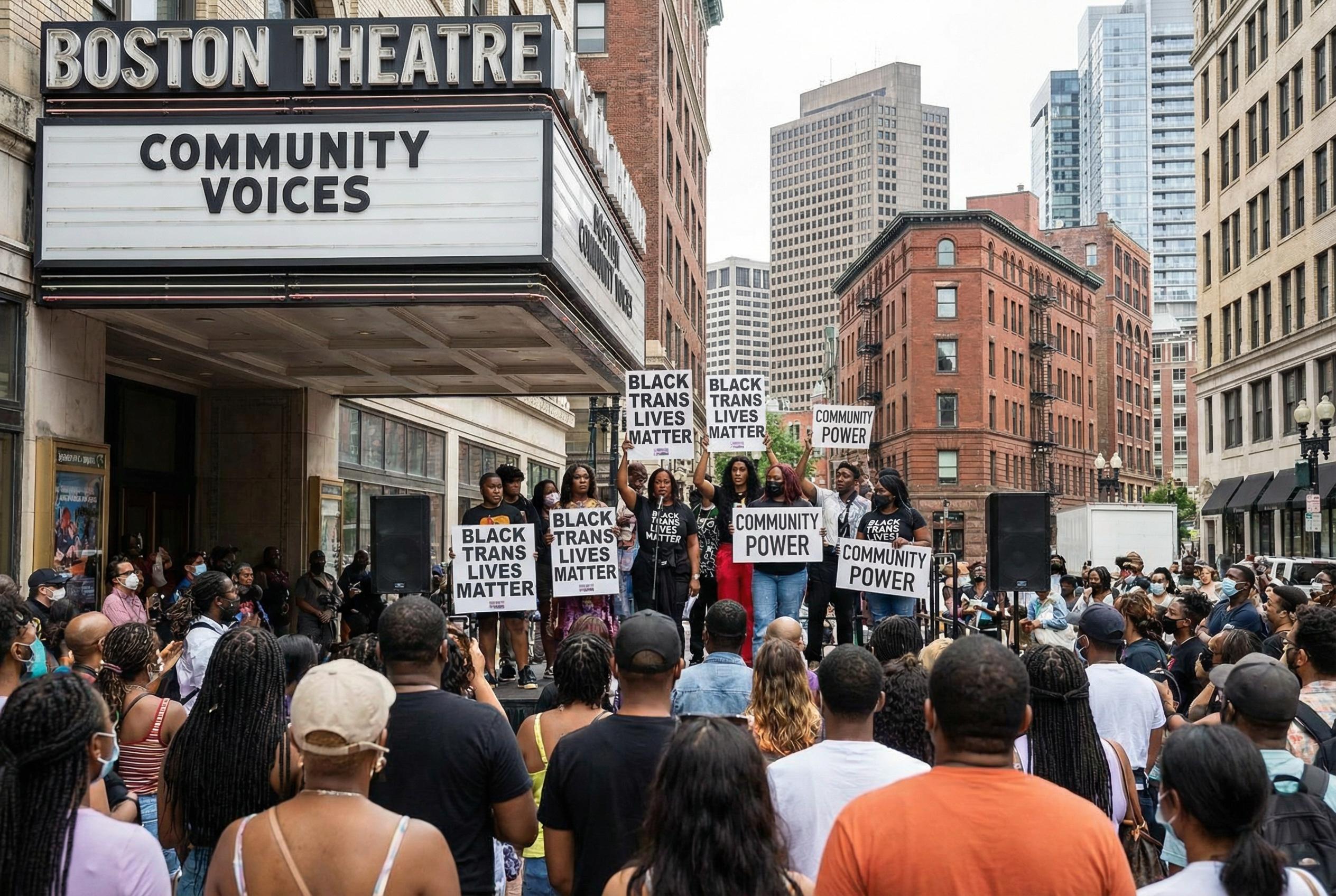
Shoppers and neighbours are turning out in Boston to celebrate Transgender Day of Visibility, with community groups, artists and city officials holding events that uplift Black trans joy and push back against erasure , here’s what happened, why it matters, and how you can take part.
Essential Takeaways
- City recognition: Boston officially proclaims Transgender Day of Visibility, highlighting citywide events and affirming public support.
- Community-centred: The Theater Offensive partnered with LGBTQ+ Elders of Color for a mutual aid market and conversation series that felt warm, lively and restorative.
- Human stories: Speakers like Justice Williams and Teasha Purdy shared personal journeys that mixed activism, tenderness and humour.
- Practical support: Events combined celebration with resources , mutual aid, mentorship and civic engagement , useful for people who need immediate help.
- Joy as resistance: The tone emphasised Black trans joy as an antidote to dominant narratives of tragedy, with performances and community recognition.
A city steps up , Boston’s official visibility moment
Boston has made March 31 an occasion to spotlight trans and nonbinary people, and the mood this year was buoyant rather than merely ceremonial. The municipal proclamation provides a civic backdrop that helps push public conversation from silence to solidarity. According to the city’s event listings, municipal support includes sharing resources and amplifying grassroots programmes that serve transgender residents. For anyone wondering whether local government matters, this sort of recognition makes outreach and funding conversations easier for community groups.
The Theater Offensive flips the script on tragedy narratives
At the Boston Center for the Arts, The Theater Offensive curated an event that refused the usual pitying frame and instead asked: how are you claiming joy? Giselle Byrd, the company’s executive and artistic director, led conversations that celebrated creativity and resilience. Audiences heard not just hardship but childhood memories, role models and practices of self-care , details that restore complexity to lives too often flattened in headlines. If you’re involved in community work, this model shows how celebration and accountability can coexist.
Justice Williams: service, memory and public advocacy
Justice Williams, who works in the Mayor’s Office of LGBTQIA2S+ Advancement, used his platform to connect personal history with public action. He spoke about coming out later in life and the necessity of naming violence against Black trans women , keeping the memory of Rita Hester alive, for instance , while also organising for education and community safety. This blend of remembrance and practical advocacy is what civic roles can accomplish when filled by people from the communities they serve. If you want to support similar work, look for local initiatives and awards that recognise community leaders.
Teasha Purdy: chosen family and mentoring young people
Teasha Purdy’s interview turned the spotlight to mothering beyond blood ties. As a performer and longtime political organiser, she’s built a network of chosen family that shelters young people facing homelessness and rejection. Her story underlines a grim statistic , trans youth, particularly Black and brown youth, face elevated homelessness risks , but it also shows an energising response: mentorship and community care. If you’re wondering how to help, donating to mutual aid markets or offering mentoring time are concrete ways to make a difference.
Events that mix joy with practical help , mutual aid and performance
The mutual aid market that accompanied the conversation series was more than window dressing; it provided tangible goods and connections while drag performances and live music gave the day a celebratory pulse. Local performers like Neon Calypso and Candace Persuasion brought high-energy moments that felt both joyful and politically pointed. For visitors, these mixed-format events are an excellent way to get introduced: you can grab resources, listen to testimony, then stay for the performance , a full-spectrum welcome.
Why a single day matters , and why it isn’t enough
Transgender Day of Visibility offers an important public moment to celebrate lives and demand safety, but organisers stress that visibility needs to be accompanied by ongoing support. The stories shared in Boston make that clear: celebration opens doors, but policy, housing support and sustained civic investment keep those doors from closing. Look for year-round volunteer opportunities and advocacy groups if you want to move beyond attending a single event.
It's a small change that can make every day a little more visible and safer for trans and nonbinary people.
Source Reference Map
Story idea inspired by: [1]
Sources by paragraph: