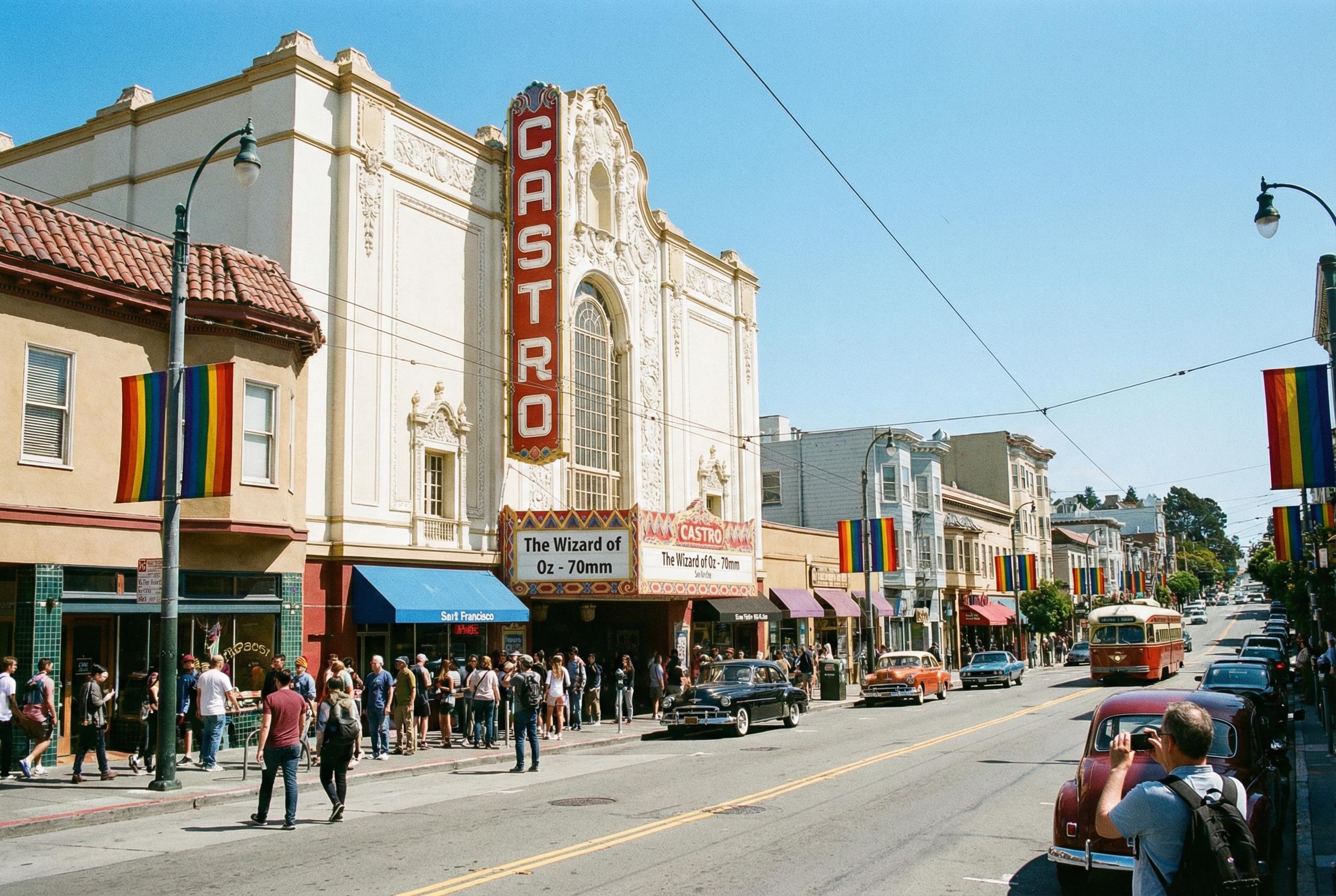
Shoppers, commuters and community members are noticing a brighter, bolder presence: San Francisco’s trans artists, activists and performers are turning everyday streets, stages and shelters into places of visibility and care , and it matters for representation, safety and joy across the city.
Essential Takeaways
- Community platforms: Local organisers have built clubs, collectives and public programs that put trans people front and centre, from running clubs to drag residencies.
- Cultural reach: Artists and performers are using everyday settings , transit, libraries, galleries , to normalise trans presence and spark conversation.
- Practical wins: Policy-facing roles and specialised shelters are improving access to housing and services for trans and gender‑nonconforming people.
- Emotional note: Many interviewees stress joy, belonging and intergenerational connection as crucial to survival and resistance.
- Senses and scene: Expect bright costumes, neon paintings, the hush of a gallery and the rhythmic thud of running shoes.
A marathon runner turned movement-builder , sport as a platform for inclusion
Cal Calamia’s cadence is as much about pace as it is about purpose; after winning the LA Marathon non-binary division this month, their calm, steady voice carries beyond the finish line. According to Mission Local, Calamia has pushed for non-binary divisions at major races and founded a San Francisco club that now reaches hundreds, offering a sturdy, welcoming feel to people who’d been on the margins. That growth matters because numbers change perception: more people at the start line means more young runners seeing themselves reflected at the podium. If you’re choosing a race or a club, pick one with clear size categories and an active community list so you’re not running alone.
Drag and classrooms , when performance and education fuse
Per Sia’s first Drag Story Hour was trembling hands and a steady heart, and it became the moment their worlds merged. As Mission Local reports, they’re now San Francisco’s Drag Laureate, the first trans woman to hold the post, using libraries, museums and even public transport as stages for visibility. The scene feels bright and very public; when a performer steps onto a bus in gown and makeup, it turns commutes into conversations. For parents and educators wondering how to engage, Per Sia’s approach suggests starting small: story times, community readings and visible, courteous engagement demystify drag and open doors.
Painting the city queer , subtle art that still screams “we belong”
Nathaniel Bice took to plein air painting in a pandemic and ended up framing the Castro’s neon glow for everyone to see. His BEACONS show captures the quiet shimmering of street signs and storefronts, proving that queer art doesn’t always need explicit symbols to be political , the simple act of painting a neighbourhood that’s historically queer is itself a claim to space. Bice’s work hints at a wider trend where visibility isn’t only loud protest but also everyday preservation. If you want to support, visit local galleries, buy prints, or just point out the history behind a sign to a friend.
Drag collectives and diasporic joy , representation with a side of brunch
For Kiki Lopez, performing as Mx. Crunch was both survival and celebration; arriving in San Francisco felt like coming home, so she returned the favour by building community. Her Mabuhay Bitches troupe brings Tagalog‑language drag to regular brunches, blending cultural roots with queer performance. The result is warmth and feistiness, a reminder that visibility also lives in language, food and ritual. If you’re curious, seek out community shows and culturally specific nights , they’re where nuance and joy mix best.
From homelessness to policy , building shelters that see you
Joaquin Guerrero’s route into advocacy was personal and urgent: time spent unhoused and working in shelters taught him how badly services can miss trans people. He helped launch Our Trans Home SF and later oversaw a navigation centre dedicated to trans and gender‑nonconforming people. Such programmes demonstrate that visibility isn’t only about being seen on stage; it’s about being seen by systems that provide housing and healthcare. For advocates, the practical takeaway is to prioritise culturally competent staff and trans representation on governing boards so policy reflects lived experience.
Art, love and soft portals , exhibitions as intimate declarations
Aleo Landeta’s work threads queer joy through installations, murals and audio testimonies , a gentle counter‑narrative to erasure. Their public pieces, like the mural at the LGBT Center, turn city walls into sites of tenderness, while a forthcoming Soft Portals show focuses on trans‑for‑trans love. It’s a quiet yet sensory‑rich form of visibility: pastels, cyanotypes and shared stories that make people feel recognised. Visit small galleries, listen to oral histories and, if possible, attend previews , art spaces are where everyday visibility deepens into community.
Where visibility goes next , platforms, protection, and pleasure
Across these profiles, a few themes emerge: platforms expand reach, specialised services protect safety, and joy keeps people coming back. Mission Local’s reporting shows how individual projects , from race categories to drag laureateships , ripple into wider change. The city’s mix of art, activism and direct services offers multiple routes to being seen; your part could be as small as buying a ticket, volunteering at a shelter, or simply applauding loudly at a drag set.
It's a small change that can make every public moment feel safer and more full of possibility.
Source Reference Map
Story idea inspired by: [1]
Sources by paragraph: