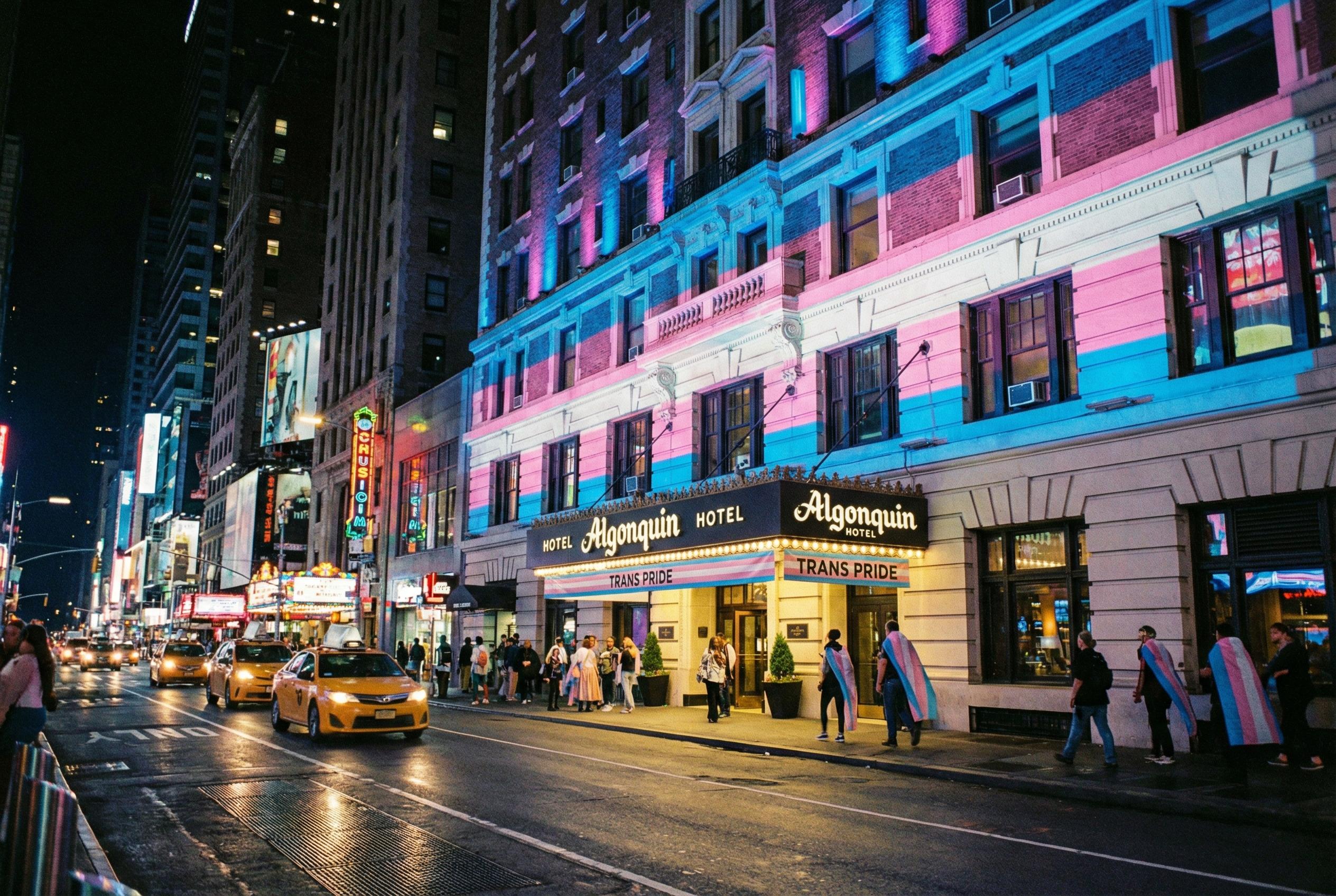
Shining a light on visibility: New York’s leaders marked Transgender Day of Visibility on March 31, with Governor Kathy Hochul ordering 16 state landmarks to glow in pink, white, and light blue , a vivid gesture that spotlights policy, community pride, and the work still to be done for trans New Yorkers.
Essential Takeaways
- Statewide display: Sixteen New York landmarks were lit in Trans Flag colours, including the World Trade Center and Niagara Falls.
- Official backing: Governor Kathy Hochul issued a proclamation designating the day and tied the gesture to investments in services for trans New Yorkers.
- Local leadership: Mayor Zohran Mamdani, Attorney General Letitia James, and City Council leaders publicly recognised the day and its stakes.
- Community action: Events and partnerships, like Bronx programming with Destination Tomorrow, brought visibility into neighbourhood spaces.
- Reality check: Officials stressed visibility is a start , housing, healthcare access and safety remain urgent priorities.
Why the glow mattered , and what it felt like
Lights are simple but theatrical, and on March 31 the skyline did more than look pretty; it sent a message viewers could feel from across the river. The soft blues and pinks over bridges, plazas and even Niagara Falls made a visual statement that’s hard to ignore, a moment of warmth on a chilly spring evening. Governor Kathy Hochul framed the lighting as part of a proclamation marking Transgender Day of Visibility statewide, tying the symbolism to concrete state commitments and services. For many, seeing familiar landmarks reframed to celebrate trans history felt affirming, and for others it was a reminder that visibility can mobilise protection and resources.
Leaders used the day to blend ceremony with policy
Visibility didn’t stop at lights. Mayor Zohran Mamdani and Attorney General Letitia James used social posts and video messages to acknowledge both the pride and the peril facing trans communities. James’ message stressed protection and solidarity, while Mamdani invoked global and Indigenous histories to underline that trans people have always been part of communities here. Those public remarks echoed the governor’s wording that New York , as birthplace of much of the queer liberation movement , should be a “beacon of hope.” The point wasn’t just celebration; it was a reminder from elected leaders that symbolism should pair with sustained policy attention.
Which landmarks lit up , and why the choice matters
The list of 16 landmarks mixed high-profile urban icons with state sites that reach beyond Manhattan: the World Trade Center, Mario M. Cuomo Bridge, Empire State Plaza, Niagara Falls, Grand Central Terminal and more. Lighting both civic centres and regional sites widened the visual reach across the state and suggested the gesture wasn’t confined to one borough or constituency. That kind of geographic spread matters when you think about who sees the light. For people in upstate communities, a lit State Fairground or airport tower can feel like an affirmation that inclusion isn’t only a city thing. It’s an equalising move that helps the message land where policy needs to follow.
Community groups and officials brought visibility to local corners
Beyond the state-led lights, grassroots events reinforced the message on the ground. Bronx Borough President Vanessa Gibson worked with Destination Tomorrow and the Bronx LGBTQIA+ Taskforce to host programming at Hostos Community College, creating a space where trans people and allies could gather locally. These local actions are important because, as city leaders themselves noted, visibility alone doesn’t change day-to-day realities. Community events keep attention on services, shelter, healthcare access and youth supports that make visibility tangible and useful.
Visibility vs. real-world needs , what officials admit still must change
City Council Speaker Julie Menin and the LGBTQIA+ Caucus Co-Chairs reminded New Yorkers that lighting landmarks is the start, not the finish. Menin emphasised that housing, healthcare and safety are the next steps if visibility is to mean anything lasting. The caucus leaders called out specific concerns, like denials of care for trans youth, and urged municipal leadership to protect vulnerable families. That frankness is useful. Lights can rally attention, but policy and funding , from hospitals to schools to shelters , determine whether visibility converts into safety and opportunity. Expect advocates to keep pressing elected officials to match ceremony with service.
Closing line A skyline that changes colour can lift spirits and provoke conversation; the work now is making sure that glow turns into real, everyday support for trans New Yorkers.
Source Reference Map
Story idea inspired by: [1]
Sources by paragraph: