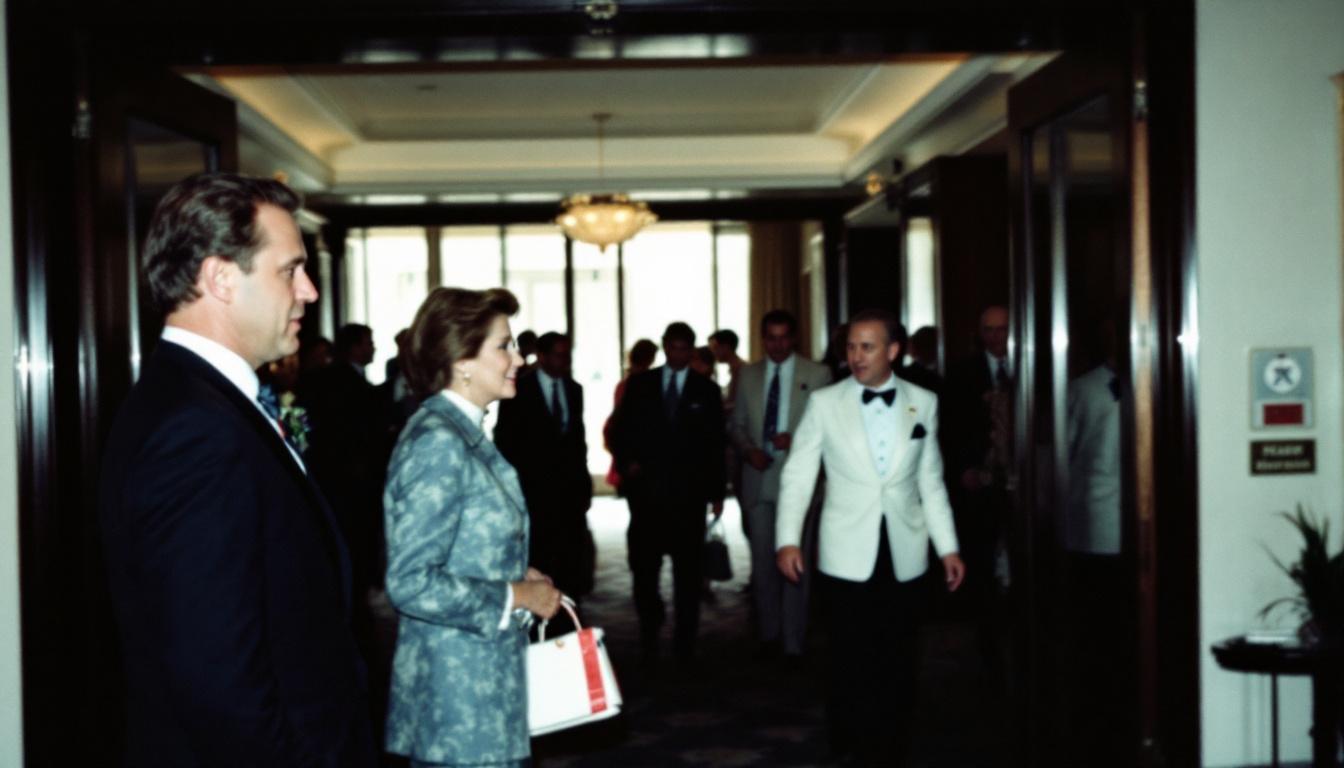
Shoppers and supporters alike are watching how culture and advocacy collide , at the Human Rights Campaign’s Los Angeles Dinner, stars, politicians and activists gathered on 28 March to celebrate visibility, press for policy and remind everyone that representation still changes lives.
Essential Takeaways
- Star-packed evening: RuPaul and Lisa Kudrow were special guests, bringing levity and weight to the programme.
- Honouring a storyteller: Michael Patrick King received HRC’s Visibility Award for work that normalises queer lives on mainstream TV.
- Policy and momentum: HRC leaders framed the night as a call to sustained organising, not just celeb-led celebration.
- Emotional mix: Guests moved between laughter and urgency , the event felt festive but focused.
Visibility as a practical tool, not just a trophy
The strongest line of the night came from the simple idea that being seen changes the conversation; you can almost feel it in a room when a beloved character or sitcom beat lands. Michael Patrick King used his acceptance speech to underline that television doesn’t just entertain , it nudges empathy into place, scene by scene. According to HRC materials, the Visibility Award recognised that particular kind of influence, and King’s remarks leaned into how small, everyday moments on screen close social distance. If you work in TV or care about representation, it’s a reminder: craft matters as much as profile.
Celebrities as amplifiers, not substitutes
RuPaul and Lisa Kudrow stepping onstage made for a splashy headline, but the dinner made clear that celebrity presence is the amplifier, not the programme. HRC’s guest list mixed entertainers with elected officials and grassroots leaders, which is exactly the point organisers wanted to show , culture and policy must work in tandem. Events like this have evolved into hybrid spaces where fundraising rubs shoulders with organising; the stars bring eyeballs, advocates bring the roadmap. If you’re weighing whether to support a gala or a local campaign, consider how both can feed one another.
From applause to action: speeches that asked for more
Kelley Robinson’s address cut through the glamour with a practical message: victories don’t happen at awards ceremonies alone. She revisited the legacy of allies who helped win marriage equality to show how legal progress grew from organised pressure. The takeaway was clear , visibility is vital, but it must translate into ballots, local wins, and sustained community power. For those who attended or watched, it was a useful nudge: write to your representatives, volunteer locally, or show up at town-hall meetings , public attention opens doors, but organising keeps them open.
Why storytelling still matters in tough political climates
King’s point about presence over perfection landed in a moment when many feel the political ground shifting. Representation can be a gentle, persistent way to change hearts when policy debates feel insoluble. Stories let people meet difference without a debate; they build familiarity and, over time, pressure. Industry figures have been saying for years that inclusive writers’ rooms and on-screen diversity are investments in social resilience. If you care about long-term change, supporting diverse creators , through subscriptions, viewership, or direct funding , is a small, effective lever.
A fundraiser that feels like both celebration and checkpoint
The Los Angeles Dinner had all the hallmarks of a Hollywood fundraiser , live auctions, jokes, and red-carpet moments , but the evening repeatedly returned to a sober point: visibility kickstarts progress but doesn’t finish it. Guests departed into the LA night aware that their applause was part of a larger ecosystem of work. For anyone thinking of attending similar events, expect a mix of joy and responsibility; it’s a place to celebrate wins and recommit to the quieter, harder work ahead.
It's a small change that can make every story count.
Source Reference Map
Story idea inspired by: [1]
Sources by paragraph: