Shoppers of stories and students of queer history mark March 30 as a day when visibility and vulnerability collide , from a TV finale that reshaped lesbian representation to urgent human-rights alerts about persecution in Chechnya, plus quieter cultural rhythms that keep communities connected.
Essential Takeaways
- Television milestone: The L Word’s second-season finale aired on 30 March 2005, reinforcing its role as a landmark lesbian-centred drama with vivid, glamorous storytelling.
- Human-rights alarm: Late March 2017 saw the first urgent advocacy and reporting around anti-gay purges in Chechnya, prompting international protests and evacuations.
- Slow work of law: March activity often marks implementation steps for marriage equality laws, such as the run-up to Finland’s same-sex marriage taking effect in 2017.
- Festival ripple: Film-festival season and indie release cycles mean late March releases and screenings can shape queer cultural moments long after the credits roll.
- Community life: March 30 also shows up as a typical night for drag, clubs and fundraisers , the grassroots scenes that sustain queer life day to day.
Why one TV finale still matters , glamour, mess and centre stage
Television can change how people imagine themselves, and The L Word did exactly that for many viewers when its second-season finale aired on 30 March 2005. The show put queer women front and centre, with glossy wardrobes, complicated romances and dialogues that felt lived-in rather than explanatory. According to fan histories and listings, it became a cultural touchstone because it offered visibility in full colour, not just token nods.
Backstory matters here: before The L Word, lesbian and bisexual women were more often supporting figures in mainstream drama. The series didn’t solve representation problems , critics flagged a lack of racial diversity and weak trans inclusion , but it pushed the TV conversation forward. If you’re thinking about legacy, this moment shows how representation can open doors even when the work is unfinished.
For viewers choosing what to watch today, think about what visibility you want to see amplified: intersectional casts, authentic trans writing rooms, or plots that centre ordinary queer lives. The L Word’s finale is a marker in a longer story, not the end of it.
When visibility invites a backlash , the Chechnya emergency
Late March 2017 is when activists and human-rights groups began sounding the alarm about what would become known as anti-gay purges in Chechnya, with reports of detention, torture and killings. International outlets and NGOs reported fast-moving developments in early April, but the urgent documenting and evacuations began in the final days of March, showing how crises often emerge through grassroots reporting and activist networks.
Reuters, The Guardian and other organisations traced how local advocacy and international pressure unfolded, and the Chechnya case became one of the starkest reminders that visibility can provoke violent pushback. For campaigners, the lesson was immediate: visibility needs protection through diplomatic pressure, safe relocation routes and rapid-response media work.
If you’re supporting queer rights internationally, practical choices matter , donate to verified evacuation funds, back organisations that offer legal aid, and educate yourself about the difference between reporting, advocacy and rescue work.
Laws get passed, then slowly stitched into daily life
March often isn’t the dramatic moment of a court ruling; it’s the season when parliaments, registries and civil services put laws into action. Finland’s run-up to implementing same-sex marriage in 2017 illustrates that nicely: the law may be passed earlier, but the months around implementation require forms, public information and local training.
That behind-the-scenes work matters because the legal change only becomes real when people can book a ceremony, have documents recognised, or access parental rights. Coverage from outlets such as the BBC shows how these administrative steps often determine whether legal gains translate to everyday equality.
If you’re celebrating a new law where you live, check the practical details: when do registration offices open, what documents are needed, and which local services still need training?
Festivals, indie releases and the slow burn of queer films
Late March sits just after peak festival season in many cities, but the effects stick around. Films that premiered at BFI Flare or other spring festivals often travel to smaller venues, streaming platforms or community screenings in the weeks that follow, carrying new voices and perspectives with them.
Independent queer cinema tends to be low-budget but idea-rich, and its momentum often depends on this festival-to-theatre pipeline. For audiences, that means some of the most interesting queer stories arrive not as blockbusters but through a slow drip , a screening here, a review there, then wider availability.
To catch these films, follow festival programmers, local LGBTQ centres and arts listings; they’ll tell you when a small gem is coming to your town.
The everyday nights that keep queer life humming
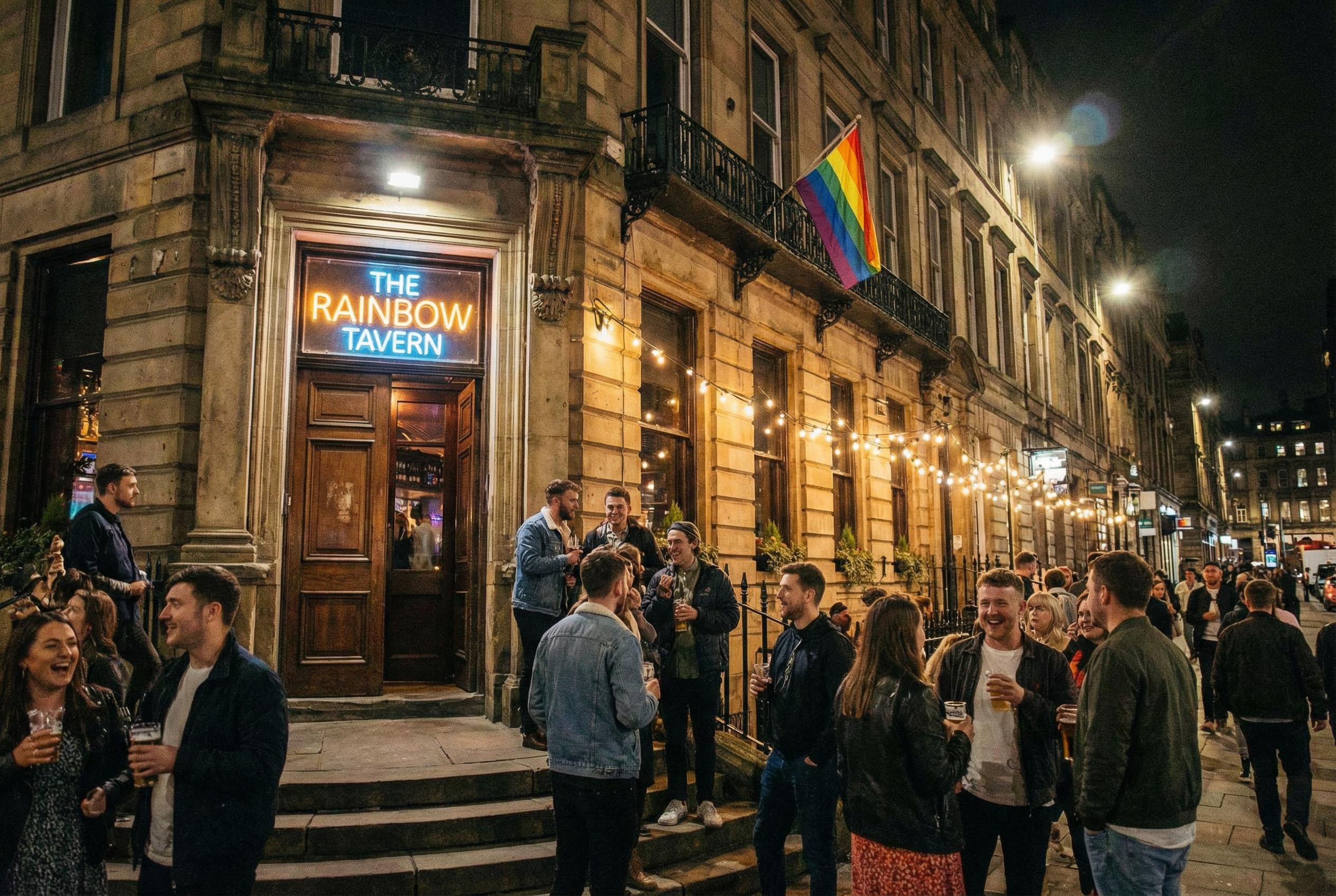
Not every important moment makes headlines. March 30 is frequently a night for drag shows, club events and fundraisers in cities from Berlin to Toronto, and these gatherings are where people meet, flirt, organise and grieve together. They’re lively, messy and essential , places where culture is practised, not just observed.
Community spaces have also been frontline organisers during crises, coordinating shelter, fundraising and legal support. So while big dates and TV finales deserve attention, remember the smaller rhythms: a club poster, a flyer for a benefit, a film screening that changes one person’s life.
If you want to plug into queer life, check local community centres, follow grassroots promoters and treat those flyers like invitations to both joy and care.
It's a small set of dates and stories, but they show how representation, rights and risk often travel together , and why staying engaged matters.
Source Reference Map
Story idea inspired by: [1]
Sources by paragraph: