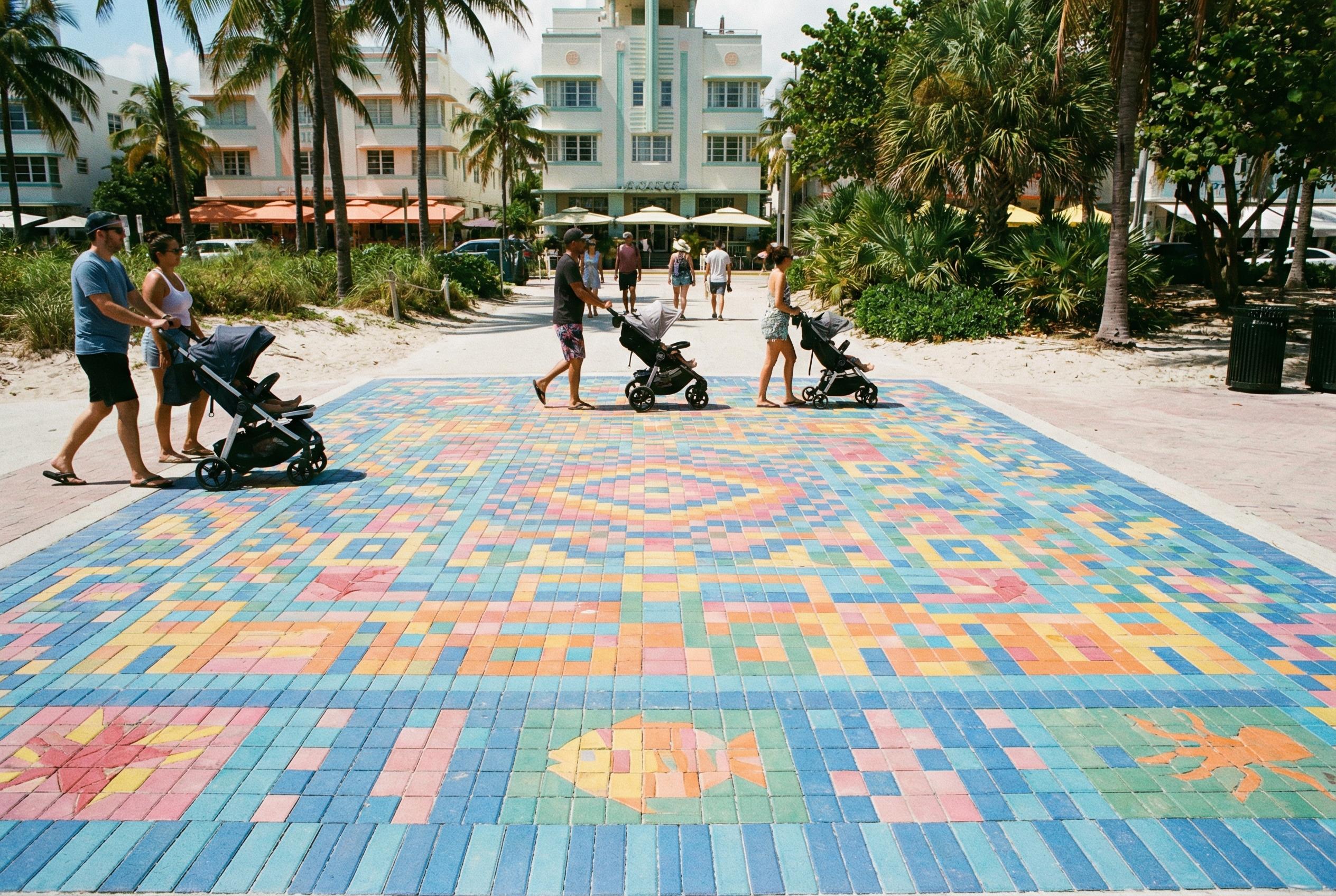
Shoppers, residents and visitors are watching Miami Beach reclaim a colourful city symbol , the famous LGBTQ+ rainbow crosswalk is being reinstalled in Lummus Park, just steps from where state crews tore it up last year, and the move coincides with the city’s big Pride festival this April.
Essential Takeaways
- What’s happening: Miami Beach will reconstruct a rainbow crosswalk using 3,606 colourful pavers in Lummus Park for a public unveiling on Friday.
- Why it matters: The crosswalk was removed by the Florida Department of Transportation last October, sparking local backlash and debate over public expression.
- Costs and commitment: The city authorised funds to replace the artwork, with officials framing it as a lasting sign of inclusion and solidarity.
- Timing: The reinstallation lines up with Miami Beach Pride’s 18th annual celebration, which organisers expect will draw roughly 170,000 people.
- Feel of it: The restored crosswalk will be a tactile, visual statement , bright, durable pavers that invite photos, pride and public use.
Why the crosswalk matters now , a colourful reply to a quiet removal
The most striking thing about this story is the contrast: a joyful, bright crosswalk one day, an empty space the next when state crews removed it overnight. According to local reporting, the Florida Department of Transportation removed the original installation last October as part of a broader enforcement against street art. The city’s decision to rebuild feels deliberately public , a visible answer to what many residents called an erasure of a safe, welcoming landmark.
City commissioners framed the reinstallation as more than decoration. They say it signals Miami Beach’s commitment to LGBTQ+ residents and visitors, and offers a concrete example of local government pushing back, at least symbolically, against state action.
How the city is handling the rebuild , logistics and money
Miami Beach plans to assemble 3,606 pavers in Lummus Park for the new crossing. That kind of installation is practical: pavers are durable and replaceable, so they withstand foot traffic and coastal weather better than paint alone. Local outlets reported the city has committed funds to make the replacement happen, and commissioners who led the effort described it as a deliberate, lasting installation rather than a temporary gesture.
If you care about civic art, this is a useful reminder that materials and placement matter. Pavers cost more up front than a painted design, but they also make the work harder to remove and easier to preserve.
Political fallout and local reactions , voices from the commission and community
When the state removed the crosswalk, it provoked immediate backlash. City officials publicly condemned the move, calling it a slap in the face to residents who saw the crosswalk as a symbol of belonging. Commissioner Tanya K. Bhatt described the reinstallation as rising above "manufactured culture wars" to create something lasting. Commissioner Alex J. Fernandez, Miami Beach’s only openly gay commissioner, sponsored a commemorative plaque and praised straight allies on the commission for defending the city’s values.
Those comments underline how this is both an aesthetic and political act. For many locals, it’s personal: a public signal that their city accepts them. For visitors, it’s a moment that will likely show up in social feeds and travel stories for years.
What this means for Pride week and tourism , timing is intentional
The unveiling comes at the start of Miami Beach’s 18th annual Pride festival, a 10-day series of events that culminates with the Ocean Drive parade. Organisers expect roughly 170,000 attendees over the festival, so the timing ensures the crosswalk will get a huge audience and become part of the celebration’s imagery.
For businesses, it’s smart timing too , Pride brings footfall, photos and goodwill. For attendees, the restored crosswalk will be a destination for group pictures and ceremonies, anchored now by a planned commemorative plaque.
How residents and visitors can experience or protect public art like this
If you want to support civic art, showing up matters. Attend the unveiling, take a photo at the new crosswalk, and treat the installation like any shared plaza , no climbing or vandalism, and report damage to the city so repairs can be organised. If you’re organising an event, ask about permits so the city can help protect the site during big crowds.
And remember: materials make a difference. Choosing robust, replaceable solutions like pavers or plaques helps communities keep civic symbols in place even when controversies flare.
It's a small change that can make a public statement feel permanent and shared.
Source Reference Map
Story idea inspired by: [1]
Sources by paragraph: