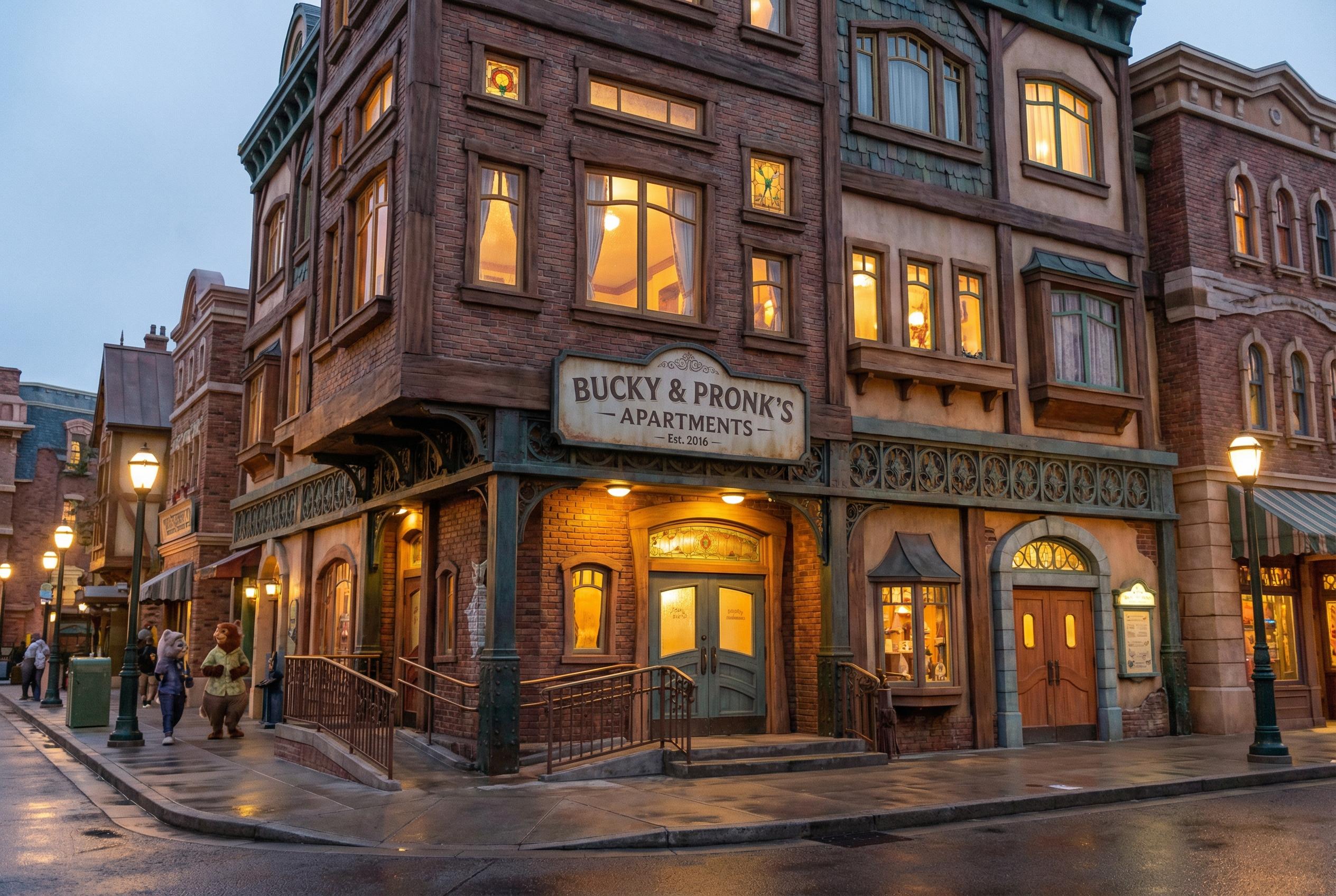
Spotting LGBTQ+ representation in big-family films feels like detective work, and Zootopia 2 has given fans plenty to talk about , from a comic-turning beaver voiced by Fortune Feimster to a long-running gay couple who quietly predate the sequel. Here’s who to know, why it matters, and how these small moments add up.
Essential Takeaways
- Confirmed couple: Bucky and Pronk Oryx-Antlerson are a married gay couple established in the Zootopia universe and confirmed by the film’s creators.
- New voice role: Fortune Feimster voices Nibbles Maplestick in Zootopia 2; the character isn’t explicitly labelled LGBTQ+ on-screen.
- Subtle representation: Disney’s queer characters often appear as brief nods rather than central plotlines, but fans treat those moments as meaningful visibility.
- Look closely: Small details , shared surnames in credits, offhand lines, or brief scenes , are often how animated films include queer characters.
- Practical tip: If representation matters to you, check cast lists and creator comments as well as the film itself; sometimes confirmation comes outside the runtime.
Who are Bucky and Pronk, and why fans care
Bucky and Pronk Oryx-Antlerson are the grumpy next-door neighbours who first turned up in Zootopia (2016) and are back around in the sequel’s world. They’re voiced by members of the creative team and stand out because their shared surname and on-screen behaviour hint at a domestic partnership , a rarity in major animated hits.
Creators later confirmed what fans suspected: they’re a married gay couple. That sort of confirmation often happens off-screen, and it’s exactly what viewers cling to when on-screen signposts are small. It’s worth pausing on that: representation doesn’t always scream from the credits, but it can still quietly reshape who feels seen.
Nibbles Maplestick: new voice, not a label
Fortune Feimster’s casting as Nibbles in Zootopia 2 had lots of people celebrating the potential for another openly queer character. In the film, Nibbles is a helpful beaver with memorable lines and a warm comic energy, but the movie stops short of explicitly labelling the character’s sexuality.
That’s familiar territory for Disney: they’ll introduce characters and let fans read into mannerisms, voice casting or subtext. If you want explicit queer narratives, this can feel frustrating. If you appreciate small wins, characters like Nibbles still add texture to a more diverse on-screen world.
How Disney has handled queer characters before
Disney’s track record is a patchwork: tiny, sometimes fleeting moments in big films and TV, plus a few clearer cases in its wider studios. From a blink-and-you-missed-it couple in Finding Dory to the MCU’s Phastos and Valkyrie, representation often comes in small doses rather than full story arcs.
That approach has sparked debate. Some praise any visibility, however brief; others argue for more central, fully developed LGBTQ+ leads. The middle ground many fans occupy is simple: small moments matter, but they shouldn’t be the end goal.
Why creators confirm things outside the movie
Often the clearest confirmations about characters’ identities come from creators on social media or in interviews rather than the films themselves. In this case, the creative team’s comments helped cement Bucky and Pronk’s place in the canon, and that external confirmation shifts how viewers read even minor scenes.
If you’re hunting for representation, it pays to look beyond the credits , director commentary, voice actor posts and official encyclopaedias can fill in what the runtime leaves out. Just be aware that creator statements can feel like both reassurance and a reminder of how cautious studios still are.
Practical advice for viewers who want more visibility
If you care about queer representation when picking what to watch, scan cast lists and creator Q&As as part of your routine. Look for series and shorts connected to the main film; spin-offs sometimes explore characters more openly. And if you’re watching with kids, use these moments as conversation starters about diversity and why seeing different families on screen matters.
More broadly, supporting creators and projects that foreground LGBTQ+ characters , via streaming, tickets or social chatter , nudges studios toward bolder storytelling.
It’s a small change that can make every scene feel more inclusive.
Source Reference Map
Story idea inspired by: [1]
Sources by paragraph: