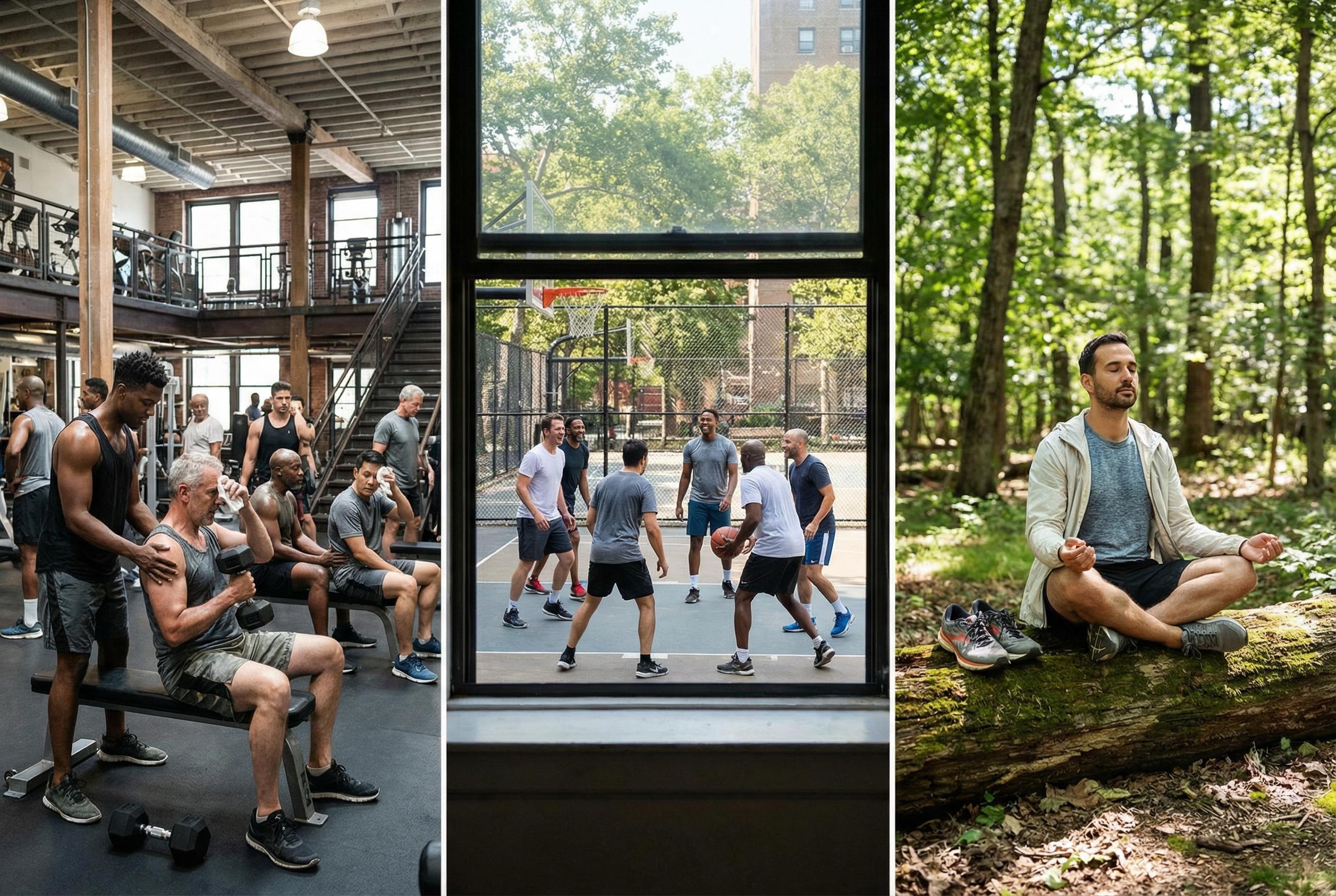
Notice how the rush of a new season can feel thrilling and terrifying at once; for many queer men, sports bring joy plus worry about safety, acceptance and body image , practical steps and inclusive options can help you move from hypervigilance to pleasure on the pitch, in the gym, or at the pool.
Essential Takeaways
- Minority stress matters: LGBTQ+ people face chronic stress that makes locker rooms and team spaces feel tense or unsafe.
- Sports aren’t inherently hostile: Bodies perform the same way regardless of sexuality; exercise can rebuild positive embodiment.
- Look for inclusive spaces: LGBTQ+ leagues and explicitly welcoming clubs reduce anxiety and foster camaraderie.
- Reframe fitness: Treat movement as care, not punishment , this helps avoid disordered eating and overtraining.
- Practical supports help: Culturally competent clinicians, knowledgeable dietitians, and community testers/clinics make a difference.
Why queer athletes still hesitate , and what that feels like
For many gay and bisexual men a changing room can still trigger a lurch of anxiety, a knot in the stomach or a sudden urge to perform straightness. Research and commentary on LGBTQ+ sport experiences show that these feelings aren’t imagined; they come from years of stigma, jokes or a single sharp look that taught the nervous system to expect threat. The sensory detail matters , that silence in the corner, the loud banter, the locker-room steam , it all keeps you watchful. Understanding that the reaction is physiological makes it easier to manage and less shameful.
Representation is improving, but discrimination lingers
Media coverage and sport figures coming out have shifted the landscape; there’s more visibility than ever and that visibility helps normalise queer athletes in mainstream squads. However, studies continue to report discrimination in sports environments, from microaggressions to exclusionary policies. So while you may find allies on a team now, it’s sensible to scan the scene: look for explicit inclusion policies, supportive coaches, and teammates who model respectful language. That balance , more representation, ongoing work , matters when you’re choosing where to play.
When body image and performance collide
Body dissatisfaction and disorders like body dysmorphic disorder affect men, and queer men in particular report higher rates of appearance concerns. The gym can become both refuge and trap , one minute you feel stronger, the next you’re measuring yourself against an impossible feed of chiseled images. Reframe the goal: strength, recovery and function first. Practical tip: pick measurable, non-aesthetic goals (improve a mile time, add a reliable squat weight, attend three recovery sessions a week) and reward progress that isn’t about how you look.
Choosing inclusive options that actually help
If traditional teams feel unsafe, seek out LGBTQ+ leagues, queer-run running clubs or explicitly welcoming community sports groups. These spaces reduce the need to monitor yourself constantly and let camaraderie grow naturally. If those options aren’t available, cultivate safety in mainstream clubs: bring a supportive friend, mention your partner casually to set a tone, or have a short chat with a coach about expectations. Clinics and community organisations can also list queer-friendly teams, so use local networks and social media to scout options.
Health-first habits: nutrition, rest and avoiding extremes
Exercise should be fuelled, not punished. Eating enough, prioritising protein and healthy fats, and getting sleep are basic but powerful ways to protect mood, hormones, and performance. Watch for red flags: rigid dieting, obsessive checking, or escalating exercise that leaves you injured or exhausted. If you suspect disordered behaviours, a dietitian or therapist familiar with LGBTQ+ health can be transformative. For men living with HIV, structured exercise and proper nutrition also improve metabolic health and quality of life, so tailored guidance pays off.
What coaches, teammates and venues can do
Change isn’t all on individuals. Coaches who set a clear conduct code, teams who name and challenge homophobic banter, and venues that provide private changing options can shift the culture. Encouraging matter-of-fact references to partners, modelling inclusive language and addressing discriminatory jokes in the moment all help. If you’re in a position to influence a club, start small: an inclusion statement on a noticeboard, or a short team conversation before a season about respect, goes further than you might expect.
Staying curious about attraction and identity in sport
For men still exploring their sexuality, sports environments can bring unexpected attractions or confusing feelings. Treat those moments with curiosity rather than alarm. Therapy with a clinician experienced in sexual identity can offer a pressure-free space to reflect. Remember, your relationship to sport and your sexual identity can evolve together; neither needs to be rushed or fixed.
It's a small change that can make every match, run or session feel safer and more joyful.
Source Reference Map
Story idea inspired by: [1]
Sources by paragraph: