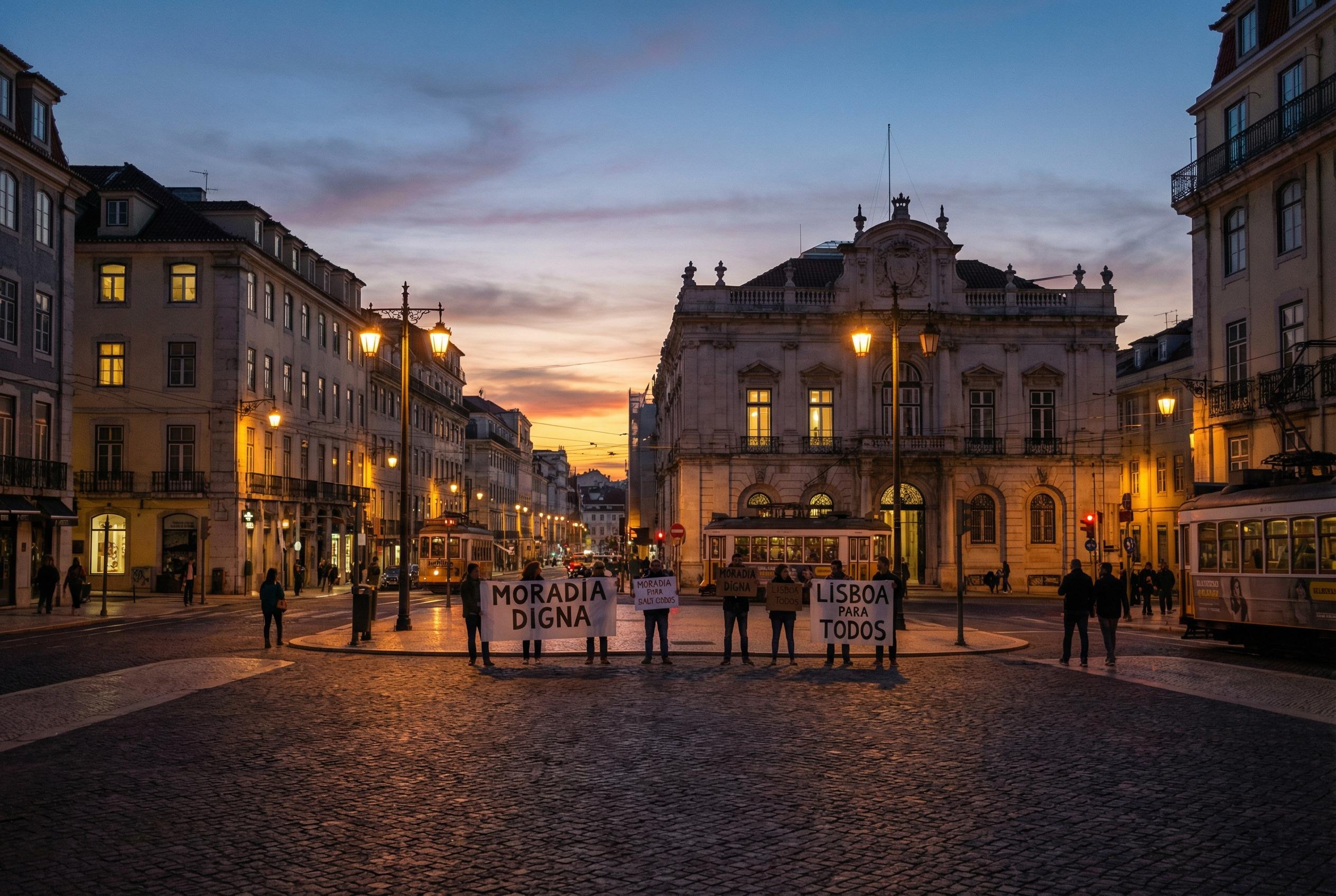
Shoppers, residents and activists turned out in force in Lisbon as hundreds marched from Largo do Intendente to the river to mark Trans Day of Visibility, drawing attention to recent legal changes and what they could mean for trans and intersex people across Portugal.
Essential Takeaways
- Large, visible turnout: Hundreds gathered at Largo do Intendente and marched to Ribeira das Naus, chanting and holding bold banners.
- Clear messages: Slogans ranged from “below the patriarchy” to “protect trans kids,” with handmade signs and striking banners visible.
- Political backdrop: The protest followed parliamentary votes that require medical validation for name and gender changes and restrict treatments for under‑18s.
- Voices from the crowd: Organisers called the measures “medieval” and warned they would disproportionately harm migrants and women.
- Broader context: The march sits alongside a rising tide of anti‑trans rhetoric in Europe, prompting concern from rights groups.
A loud, colourful show of visibility in the heart of Lisbon
The march began in the busy square of Largo do Intendente and moved down to the water at Ribeira das Naus, with a bright, determined mood and a faint smell of rain in the air. According to local reporting, hundreds of people joined, many carrying banners and chanting slogans that mixed political anger with protective messages. It felt both like a celebration of identity and a pushback against policies seen as rolling rights backward.
Why activists say recent laws sparked the march
Organisers , including members of Transmutar , told reporters the new bills approved in the Assembleia da República are a step back. They argue that making medical validation mandatory to change legal name or gender is unnecessary and punitive, and that proposals around treatment for under‑18s risk harming young people who need support. The language used by speakers at the march was sharp: organisers described the measures as “medieval” and warned they’re the start of bigger attacks.
The protest as part of a broader European trend
Across Europe, political debates over transgender rights have intensified, and Lisbon’s march echoes worries heard elsewhere. Analysts and human‑rights groups have flagged a rise in anti‑trans political speech ahead of elections, and public demonstrations like this one are becoming more common as communities mobilise. For Lisbon residents the march was a reminder that local law changes have real, visible effects on people’s lives and day‑to‑day safety.
What attendees said on the ground
People who took part mixed practical concerns with personal pleas. One marcher told Lusa news agency that Portugal already faces urgent social problems , housing, wages, shuttering small businesses , and questioned why lawmakers were complicating rights people already had. Organisers also emphasised the human cost: when laws like this pass, they said, migrants and women are often hit hardest. The tone was urgent but resolute; this wasn’t just protest for spectacle, it was protest to protect lives.
How to read the protest if you’re deciding where you stand
If you’re following this as a voter or a neighbour, look beyond headlines. Consider whose voices are missing from the debate, what medical and legal experts say, and what safeguards exist for minors and vulnerable people. For families and allies, practical steps include learning the basics of legal gender recognition, checking local support groups, and staying informed about parliamentary processes. For politicians, the message from the march was blunt: policy changes have human consequences you can’t wish away.
It's a small action to go to a march, but a big step toward keeping visibility and rights on the agenda.
Source Reference Map
Story idea inspired by: [1]
Sources by paragraph: