When a single episode can redraw how a character is seen, television has done its job. Proud, a Polish drama created by Karol Klementewicz and led by Ignacy Liss, arrives on HBO Max with exactly that ambition: to complicate a familiar queer archetype by dropping into his life an unexpected responsibility.
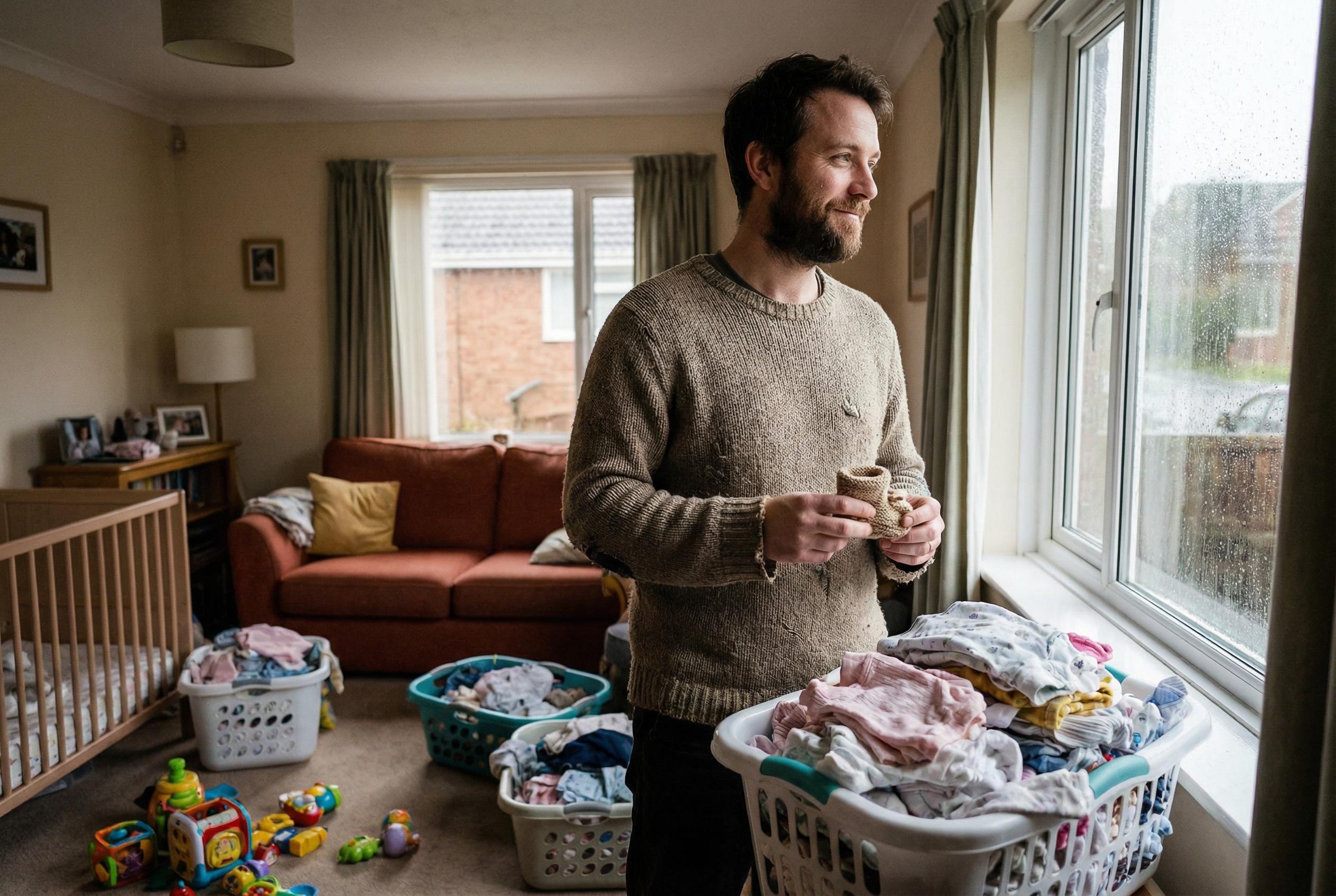
The series centres on Filip, a youthful model whose priorities have been pleasure and self-direction. A sudden family bereavement forces him to assume care of his infant niece, upending his social calendar and exposing unresolved wounds from his own upbringing. What unfolds is less a tidy redemption story than a close-to-the-bone portrait of a man learning, awkwardly and reluctantly, what it means to be accountable to another person.
Ignacy Liss, whose casting has been widely reported, carries the role in a series chosen for the main competition at the Séries Mania festival in Lille, a notable milestone for Polish television. According to Filmweb and other Polish outlets, Proud is the first Polish title in a decade to be selected for the festival’s principal slate, underlining both the show’s international ambitions and the rising profile of Poland’s drama production.
Klementewicz has framed his aim plainly. Speaking to Variety, he said: "We know where we live and how minorities are treated. But perhaps someone watching will see this character as more than just his sexuality." That intention shapes the series’ tone: it seeks to depict a queer life in its particularities rather than reduce the protagonist to a single political signifier.
Proud’s arrival is timely given the fraught context for LGBTQ+ rights in Poland. While same-sex marriage remains unavailable under domestic law, courts have recently obliged registries to acknowledge unions performed elsewhere in the European Union following rulings tied to the European Court of Justice, a legal patchwork that colours everyday realities for many queer Poles. The series does not present itself as an overt manifesto; instead it embeds questions about belonging, family and acceptance within intimate human drama.
Internationally, the show exemplifies a trend: streaming services pushing subtitled, locally rooted stories that nevertheless speak to universal experiences. Reviews and local press note that Proud expands the range of queer representation by focusing on parenthood, trauma and social obligation rather than romantic tropes alone. Jake learns that seeing a gay protagonist wrestle with feeding schedules and court paperwork can be as revealing , and as radical , as any coming-out narrative.
If Proud resonates with audiences, it may do more than entertain. According to Polish reporting and festival placement, the series is already part of a conversation about how queer lives are portrayed on-screen and how those portrayals travel beyond national borders. For viewers seeking complex, imperfect queer characters, this looks like one to watch when it premieres on HBO Max in 2026.
Source: Noah Wire Services