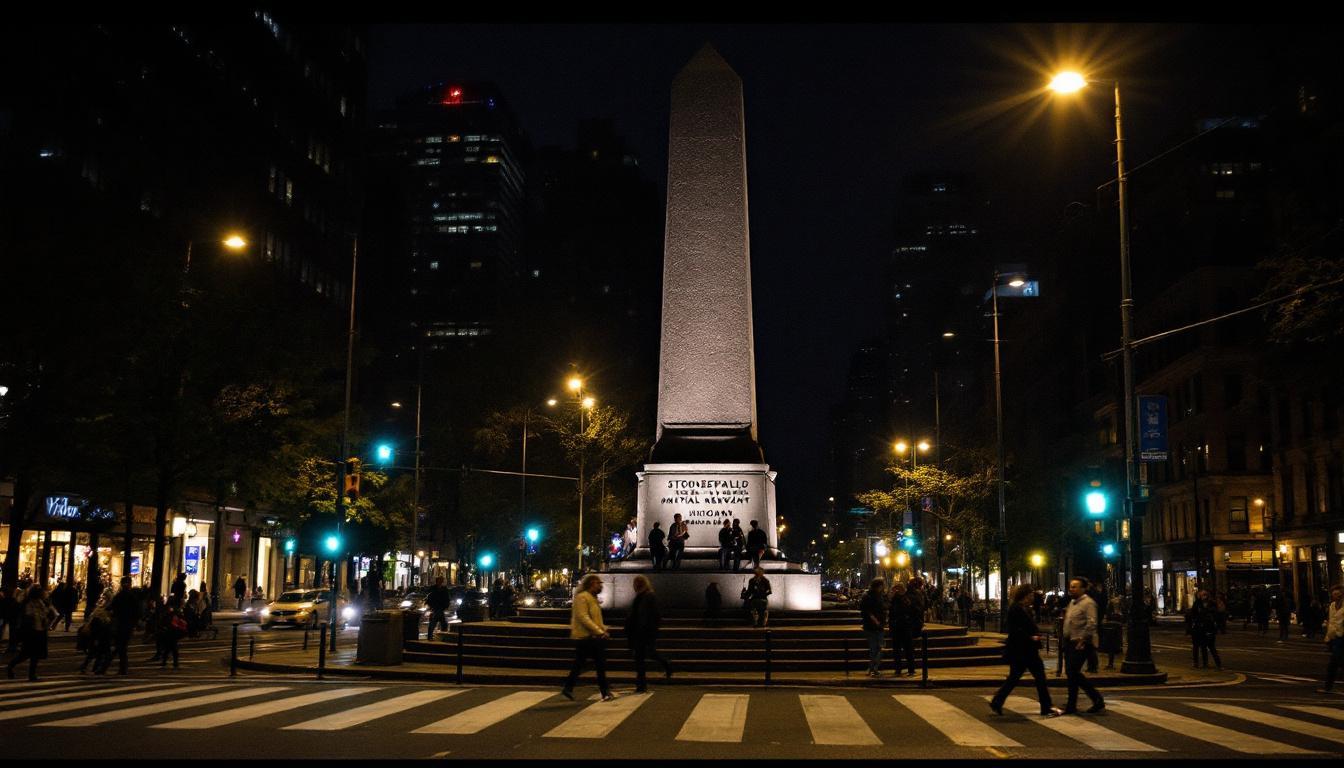
Spotlight the past: the West Village blends preservation, protest and pop culture , and that mix is exactly why the neighbourhood is both historically priceless and relentlessly expensive. From Jane Jacobs’ street-level fight to Stonewall’s messy courage and Sex and the City glamour, this compact corner of Manhattan carries outsized cultural value.
Essential Takeaways
- Historic fabric preserved: the 1969 Greenwich Village Historic District helped keep narrow streets and low-rise brownstones intact, giving the area a timeless, desirable look.
- Civic activism shaped the streets: Jane Jacobs and community coalitions stalled large-scale redevelopment, creating a human-scale neighbourhood that people now pay premiums to live in.
- Cultural significance: Stonewall’s legacy and the West Village’s queer nightlife turned the area into a national symbol, with museums, memorials and a National Monument nearby.
- Media and celebrity cachet: TV hits and celebrity residents boosted tourism and global desirability, pushing short-term demand for celebrated addresses.
- Tight supply, high demand: strict preservation rules, limited new development and small lot sizes mean real estate inventory is scarce, which keeps prices elevated.
Why preservation feels like an economic engine, not a museum piece
Walk the West Village and you’ll notice the streets feel human-sized: narrow, cobbled in places, lined with cast-iron and brownstone stoops that invite lingering rather than racing past. That look exists because preservation fought, and often won, against wholesale redevelopment. According to Village preservation advocacy, the Greenwich Village Historic District and later protections froze much of the 19th-century streetscape in place. Preservationists weren’t romantic curators so much as pragmatic defenders; keeping low-rise buildings and mixed uses meant the neighbourhood stayed lively and walkable. That authenticity is a selling point now , buyers pay a premium for streets that feel lived-in, not newly zoned. If you’re weighing a move, remember that historic districts mean fewer opportunities for new supply, and that scarcity helps push prices up even in soft markets.
Jane Jacobs, Robert Moses and the politics that made it local
The West Village’s identity was forged in pitched fights with planners who wanted big highways and towers. Jane Jacobs’ grassroots campaign against top-down schemes made the neighbourhood a proving ground for community-led urbanism. It’s no accident the term “West Village” gained traction during these battles; the name helped rally local identity. Those conflicts changed the rules of engagement for city planning , and they shaped market perception. Buyers came to associate the area with civic engagement and character, not just convenient transit. For house-hunters, that history matters: you’re buying into a neighbourhood culture as much as a physical property.
Stonewall and queer culture turned streets into a national story
The riots at the Stonewall Inn and the gatherings that followed transformed Christopher Street from a local hangout into a symbol of national importance. The site’s later designation as a National Monument and nearby LGBTQ+ institutions institutionalised that meaning, while grassroots spaces , bars, piers, community centres , kept the area culturally vital. Public memory and pilgrimage bring visitors year-round, which supports restaurants, galleries and boutique shops that make the West Village feel like a destination. That economic activity feeds real-estate demand: tourists and cultural pilgrims feed short-term stays and the businesses that make the streets attractive to residents. If you value cultural proximity when choosing a home, the West Village’s queer history is a tangible part of neighbourhood life.
Pop culture turned corners into postcard addresses
When TV shows and celebrities pointed cameras at Perry Street stoops and Greenwich Village cafés, the global audience paid attention. Media exposure brought new buyers who wanted the “Sex and the City” lifestyle or the quaint brownstone look from travel pages. That glamour doesn’t create neighbourhood DNA, but it amplifies desirability. Tourism spikes around filmed locations also change the local economy, pushing cafés and boutiques toward visitor-friendly models and sometimes accelerating short-term rental pressure. For prospective buyers, that can mean higher maintenance costs and a sense that your block is perpetually on show.
Limited development keeps the market tight , and dear
Unlike neighbourhoods with blocks of new glass towers, the West Village is constrained by historic zoning and parcel sizes that make large developments impractical. That means fewer apartments ever come to market, and units that do are often in converted townhouses or finely restored prewar buildings. Market basics apply: steady demand, limited supply, and high cultural capital equal higher prices. Buyers who prize authenticity and walkability will keep paying up, while investors spot reliable rental and short-term income streams. If you’re hunting here, focus on realistic expectations: modest square footage for a premium price, and a premium on location , the corner cafe or a short walk to the pier will cost.
Looking ahead: preservation, tourism and everyday life
The West Village will keep its historic feel so long as community groups and regulations stay vigilant. But that preservation is a living choice, not a freeze-frame; it demands balancing tourism, residents’ needs and commercial vitality. Stonewall’s national recognition and long-running neighbourhood institutions create a protective halo, yet popularity brings pressures like increased visitors and short-term rentals. For locals, the challenge will be keeping the Village affordable enough to stay diverse, while harnessing the very cachet that makes it special. For outsiders, understand you’re buying into a story as much as a space , and that story has value few other neighbourhoods can match.
It’s a small place with a big history , and that’s exactly why people will keep paying dearly to live there.
Source Reference Map
Story idea inspired by: [1]
Sources by paragraph: