Bursting onto screens, DreamWorks’ Filipino-themed Forgotten Island has viewers spotting what they call authentic queer representation in a single, striking character , and Filipino audiences say it matters for visibility and culture.
Essential Takeaways
- Standout character: Jo’s short hair and confident posture have prompted online viewers to read her as a tomboy or queer character, sparking wide conversation.
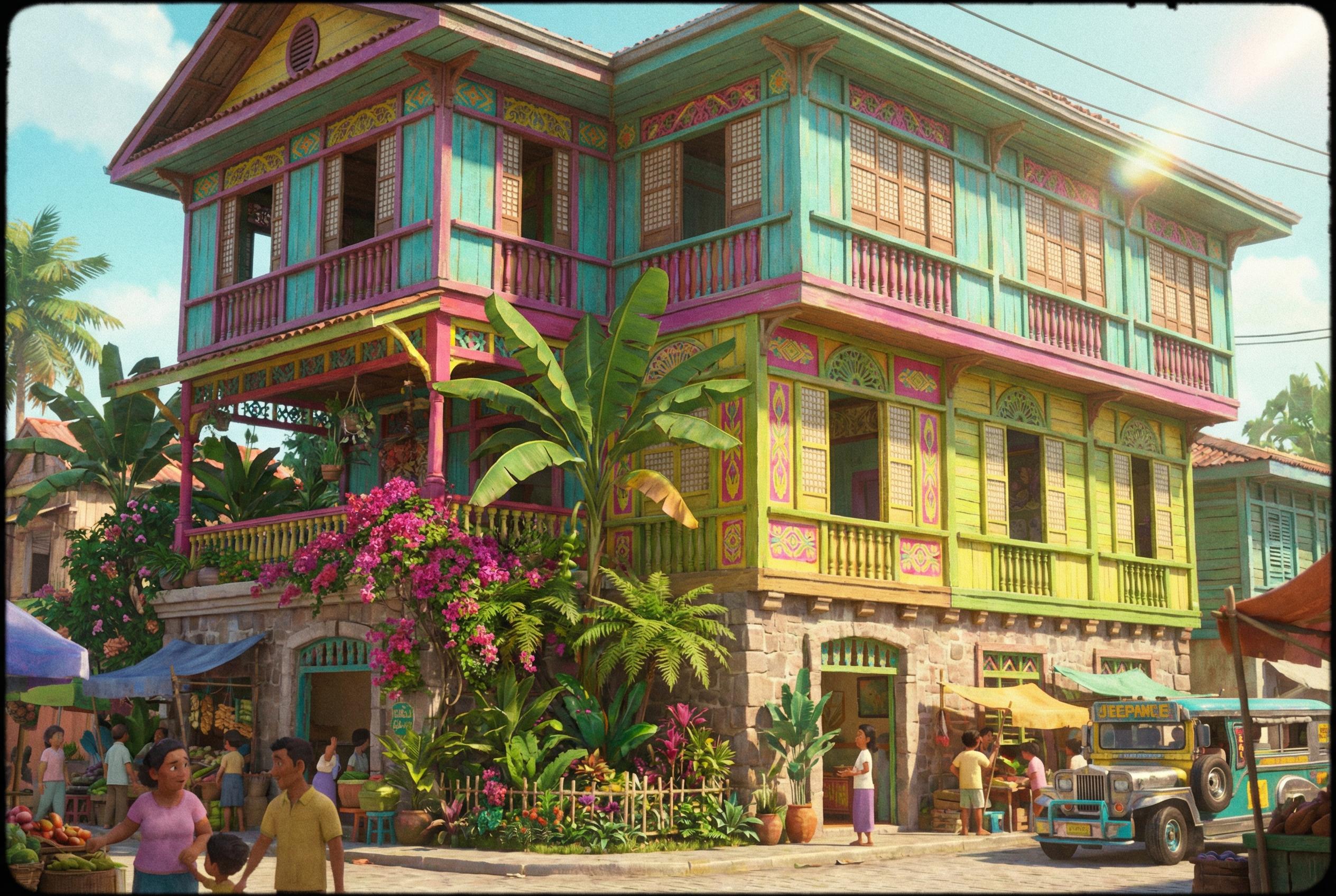
- Cultural detail: The film leans into Filipino life with jeepneys, balisong and tangled overhead wires, giving Jo and others a recognisably local backdrop.
- Visual cues: Fans pointed out a background palette in Jo’s scene that echoes the lesbian flag’s warm tones and pinks.
- Cast and creators: Liza Soberano voices Raissa while H.E.R. voices Jo; the film features a largely Filipino cast and Filipino-American directors.
- Public reaction: Social posts praising Jo as “the first accurate tomboy representation” racked up millions of views and thousands of likes and replies.
Why Jo felt familiar to so many viewers
The trailer hands you sensory detail straight away , streets that feel lived-in, the soft clack of a balisong and a familiar, everyday skyline. It’s against that local tapestry that Jo’s short-haired, easy posture caught people’s eyes. Viewers on social platforms described an immediate recognition, saying Jo’s bearing and style mirror a common Filipino type often called “tomboy.”
This isn’t idle reading of character. People explained that Filipino slang like tomboy, T-bird or pars carries distinct local meaning around gender presentation and desire, especially outside big cities. So when a mainstream studio animates a character who looks and moves that way, it lands differently for those who’ve rarely seen that body type or mannerism centre-stage.
How background detail deepened the reading
Fans weren’t only looking at Jo herself; they noticed the scene design. Some spotted a warm, rosy palette behind Jo and suggested it echoed the lesbian flag , orange, pink and rose tones , and that made the implication feel less accidental. Colour choice is a subtle storytelling tool in animation, and here it became a prompt for audiences to connect dots.
That visual cue matters because representation often happens in the small, quiet choices: the cut of a haircut, a confident smile, the palette behind a character. For people used to coded representation, those little signals can be affirming.
Why cultural nuance changes the conversation
According to reactions from Filipino viewers, English-language labels like “butch” or “dyke” aren’t the terms most commonly used in the Philippines; local words carry context and lived meaning. That means Western frameworks for queerness don’t always map neatly onto Filipino experience, and a character like Jo invites a culturally specific reading.
It also points to a broader shift: mainstream projects embracing Filipino settings are giving local audiences a chance to see themselves reflected, culturally and socially. That shift sparks debate , some fans look for explicit confirmation, while others celebrate the quiet, everyday portrayal as progress.
The bigger picture: a Filipino-themed film in Hollywood
This film marks a notable moment: DreamWorks has built a feature around Filipino folklore and daily life, with Raissa and Jo at its heart and a largely Filipino voice cast. The involvement of Filipino and Filipino-American creators gives the project an extra layer of authenticity, and that’s part of why viewers felt safe projecting local identities onto the characters.
For representation advocates, it’s a reminder that casting and creative leadership shape how identities are drawn and understood. Even a brief trailer can act as a test-run for how audiences will read and claim characters.
How to watch the trailer , and what to look for
If you watch the trailer, pay attention to the small details: body language, costume choices, and the colours used in key shots. Those are the cues viewers have used to read Jo’s identity. And remember, representation can be both explicit and coded; a character’s presence in a mainstream, culturally specific film can matter even without a label.
If you’re discussing the film online, try to respect how different communities use language , “tomboy” may mean one thing in the Philippines and something else elsewhere.
It's a small change on screen that feels big for people who’ve been waiting to see themselves in mainstream animation.
Source Reference Map
Story idea inspired by: [1]
Sources by paragraph: