There is no expiration date on living authentically. A number of high‑profile figures have chosen to come out later in life, many after the age of 50, and for them the decision has often brought relief, renewed purpose and, in some cases, a higher public profile. Their stories, drawn from decades in the public eye, underline how shifting social attitudes and personal readiness combine to make later‑life disclosures both possible and powerful.
Some disclosures were framed as quiet acknowledgements made on the subject's own terms. The report notes that Jodie Foster used an acceptance speech at the Golden Globes; Robin Roberts posted a measured message of gratitude at the end of a year as she reflected on recovery and partnership; and Victor Garber, when questioned about his biography, confirmed a long‑standing relationship while stressing his preference for privacy. For each, public acknowledgment followed long periods in which friends and colleagues already knew the truth.
Other revelations explicitly reframed public identities and propelled activism. George Takei, who came out at 68 amid California same‑sex marriage debates, leveraged his profile into advocacy for LGBTQ+ rights; Tim Cook, who disclosed his sexuality at 53 in an essay, framed visibility as a responsibility he owed to others; and Caitlyn Jenner’s transition at 65 sparked global conversation about trans lives and mainstream media representation. The company of these figures demonstrates how coming out can intersect with public influence.
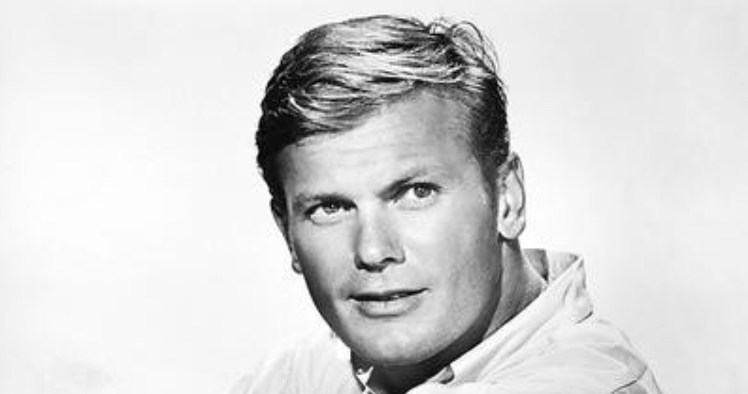
Many personal accounts emphasise how decades of industry or cultural pressure shaped decisions to stay private. Actors such as Richard Chamberlain and Tab Hunter [pictured] described the cost of conforming to studio era expectations; Meredith Baxter and Kelly McGillis spoke of personal journeys that unfolded after marriages to men; and Joel Grey and Phillip Schofield reflected on generational shifts that finally made openness more viable. The narratives collectively illuminate how structural constraints and changing norms affect the timing and tone of disclosure.
Some late declarations were quietly celebratory rather than combative. Celebrities including Barry Manilow and Cassandra Peterson revealed long‑held partnerships in memoirs or private ceremonies and reported strong support from fans. Niecy Nash‑Betts’s announcement of her marriage at 50 and Wayne Brady’s disclosure of being pansexual at 51 were presented as natural evolutions of love and self‑understanding rather than as confessions. According to the original report, these responses often upended fears about public rejection. Source: Noah Wire Services